
SPOILER ALERT!
Just How A Life Train Can Aid You Attain Your Goals
Authored by-Finn Hertz
Much like a professional athlete wouldn't climb up a mountain without a fitness instructor, you should not attempt to tackle life objectives alone. Life trainers provide experienced support, support as well as support to assist you reach your objectives.
Life instructors may work in individual or over the phone or web cam. They also handle administrative elements of their mentoring company, such as scheduling sessions as well as marketing their solutions.
A major part of the mentoring procedure is aiding clients recognize what they wish to accomplish. They can then aid you crystallize these aspirations right into substantial objectives that you can systematically accomplish.
Life trains can likewise give support when you come across challenges that maintain you from accomplishing your objectives, such as self-doubt, trouble prioritizing, perfectionism or laziness. They can instruct you methods to overcome these challenges and provide you the confidence boost that you require to press yourself with the rough patches.
The most effective life trains will have the ability to learn more about their customers well, observe their behavior and also ask provocative questions. They can consult with you one-on-one through phone, Skype or other conference-style programs, or in person in a workplace setup. When selecting a life train, look for one who has considerable training and experience in helping others attain their goals. Normally, these trainers have actually finished an ICF-accredited program. see this website is a mark of professionalism and an assurance that they can offer top notch mentoring services.
Study after research reveals that what makes individuals delighted is very individualized. Some cultures, for instance, grow on social interaction while others locate relief in privacy. A life instructor can help you find out what really makes you pleased.
For example, maybe you have an unpleasant previous experience like the fatality of an enjoyed one and now you want to channel it into helping others. Your life trainer will certainly aid you set goals to do simply that, consisting of reaching out to the regional chapter head of state of a suicide prevention company.
It's important to note that life instructors are not therapists. Certified therapists offer psychotherapy, which is far more engaged and deep. Nonetheless, both supply many benefits for the right individual. For instance, a life instructor can give you honest conceptualizing support while a specialist can provide advice on exactly how to take care of injury and clinical depression. This is why it is essential to select a qualified life coach that has a reliable as well as reputable mentoring program.
A life coach is a terrific source to assist you locate remedies as well as get rid of challenges. They are competent at asking provocative concerns that will allow you to dig deeper and also understand what is holding you back.
Allow's state you work at an equipment shop, however you seem like it is not your function in life. You have actually conserved two lives with performing CPR on strangers that had clinical emergencies, as well as you want to do more of that.
A life instructor can aid you find out how to make that a truth by aiding you produce a strategy to attain it. They are not qualified specialists, however, so they might not be able to aid with severe mental health issues such as depression or anxiety. If Life Coach Courses is the case, a life train will likely refer you to a specialist for treatment sessions. However, they can still be a fantastic resource for you to develop a healthier connection with yourself as well as others.
The most efficient life trainers have the ability to help their customers keep motivation and also stay liable in their trip towards getting to objectives. They're able to do this by assisting in conferences in between their clients and also helping them resolve barricades such as restricting ideas that maintain them embeded a rut.
While life mentoring isn't therapy, and it can't resolve underlying mental health and wellness issues, it can still be an important tool for anybody having a hard time to discover their method life. Life instructors can also act as a coach to their customers, as well as they can offer assistance as well as support on how to get over difficulties.
Unlike specialists, there is no governing body that controls the life trainer industry, which implies that anybody can call themselves an instructor with no formal training or experience. Nevertheless, legit credentialing bodies like the International Training Federation analyze coaching programs and require that trains fulfill a set of criteria as well as principles to be licensed.

Much like a professional athlete wouldn't climb up a mountain without a fitness instructor, you should not attempt to tackle life objectives alone. Life trainers provide experienced support, support as well as support to assist you reach your objectives.
Life instructors may work in individual or over the phone or web cam. They also handle administrative elements of their mentoring company, such as scheduling sessions as well as marketing their solutions.
1. They Assist You Establish Objectives
A major part of the mentoring procedure is aiding clients recognize what they wish to accomplish. They can then aid you crystallize these aspirations right into substantial objectives that you can systematically accomplish.
Life trains can likewise give support when you come across challenges that maintain you from accomplishing your objectives, such as self-doubt, trouble prioritizing, perfectionism or laziness. They can instruct you methods to overcome these challenges and provide you the confidence boost that you require to press yourself with the rough patches.
The most effective life trains will have the ability to learn more about their customers well, observe their behavior and also ask provocative questions. They can consult with you one-on-one through phone, Skype or other conference-style programs, or in person in a workplace setup. When selecting a life train, look for one who has considerable training and experience in helping others attain their goals. Normally, these trainers have actually finished an ICF-accredited program. see this website is a mark of professionalism and an assurance that they can offer top notch mentoring services.
2. They Assist You Understand What Makes You Satisfied
Study after research reveals that what makes individuals delighted is very individualized. Some cultures, for instance, grow on social interaction while others locate relief in privacy. A life instructor can help you find out what really makes you pleased.
For example, maybe you have an unpleasant previous experience like the fatality of an enjoyed one and now you want to channel it into helping others. Your life trainer will certainly aid you set goals to do simply that, consisting of reaching out to the regional chapter head of state of a suicide prevention company.
It's important to note that life instructors are not therapists. Certified therapists offer psychotherapy, which is far more engaged and deep. Nonetheless, both supply many benefits for the right individual. For instance, a life instructor can give you honest conceptualizing support while a specialist can provide advice on exactly how to take care of injury and clinical depression. This is why it is essential to select a qualified life coach that has a reliable as well as reputable mentoring program.
3. They Assist You Develop a Problem-Solving Way Of Thinking
A life coach is a terrific source to assist you locate remedies as well as get rid of challenges. They are competent at asking provocative concerns that will allow you to dig deeper and also understand what is holding you back.
Allow's state you work at an equipment shop, however you seem like it is not your function in life. You have actually conserved two lives with performing CPR on strangers that had clinical emergencies, as well as you want to do more of that.
A life instructor can aid you find out how to make that a truth by aiding you produce a strategy to attain it. They are not qualified specialists, however, so they might not be able to aid with severe mental health issues such as depression or anxiety. If Life Coach Courses is the case, a life train will likely refer you to a specialist for treatment sessions. However, they can still be a fantastic resource for you to develop a healthier connection with yourself as well as others.
4. They Aid You Keep Accountable
The most efficient life trainers have the ability to help their customers keep motivation and also stay liable in their trip towards getting to objectives. They're able to do this by assisting in conferences in between their clients and also helping them resolve barricades such as restricting ideas that maintain them embeded a rut.
While life mentoring isn't therapy, and it can't resolve underlying mental health and wellness issues, it can still be an important tool for anybody having a hard time to discover their method life. Life instructors can also act as a coach to their customers, as well as they can offer assistance as well as support on how to get over difficulties.
Unlike specialists, there is no governing body that controls the life trainer industry, which implies that anybody can call themselves an instructor with no formal training or experience. Nevertheless, legit credentialing bodies like the International Training Federation analyze coaching programs and require that trains fulfill a set of criteria as well as principles to be licensed.

SPOILER ALERT!
Just How A Life Train Can Aid You Overcome Your Concerns
straight from the source by-Carroll Jensen
A life train is a specialist who is trained to help customers conquer their objectives. They help them strategize, establish healthy and balanced boundaries and so far more.
As an example, you may have a hard time believing that you're a great mommy because of your experiences maturing. Your coach probes deeper into your ideas as well as aids you understand that the issue lies in your ideas.
A Life instructor helps you recognize goals that are important to you. They likewise aid you break down those goals into even more manageable pieces.
After that they can give you with approaches to conquer those pieces, step by step. They are additionally excellent at helping you re-focus your thinking as well as find different methods of taking a look at a scenario.
Allow's say, as an example, that you have been operating at a hardware shop. However you recognized that you in fact intend to end up being an EMT. After chatting with your life trainer, you determine to make the modification.
Remember, though, that a Life coach is not the like a therapist or counselor. They do not obtain accreditation or training specifically for psychological wellness problems. A specialist will be much better furnished to deal with those types of situations. Instead, a Life coach focuses extra on your future and also just how you can get to where you want to be. https://listodirectory.com/web-site-no-864/ is what makes them an unique and useful resource.
If you struggle to concentrate your thoughts, life mentoring might be able to help. Life trains are trained to interpret the desires and also suggestions in your head and also equate them right into concrete objectives you can attain. They can also educate you techniques to establish your ability to focus and remain motivated on a lengthy trip toward your goal.
For example, let's state you intend to become an emergency medical technician. Your life coach will certainly aid you identify the actions to require to end up being an emergency medical technician, and also they will motivate and also motivate you to make those modifications. Life trains can likewise aid you take care of psychological blocks that enter your way.
It is necessary to keep in mind that a Life coach does not work with medical problems, and they will often refer you to a specialist or therapist when required. This is because a Life train manage basic health, rather than particular problems and concerns. They can assist you discover methods to get rid of difficulties that you might deal with, consisting of getting rid of concern and insecurities.
Athletes, performers and also Chief executive officers work with trainers to help them stay on track toward reaching their goals. A life train is a trained expert who can aid you maintain on your own accountable, concentrating on your personal development and also encouraging you to conquer your fears.
Your life train will certainly ask you leading inquiries that assist you to understand your instant and future desires as well as requires. They will certainly also aid you to transform these suggestions right into an organized strategy that urges real life changes and also forward motion.
Life trains are able to offer input on your objectives that is honest as well as separate from your friends and family. They can be your most significant cheerleader, celebrating every turning point and firmly putting you back on course when you start to drift off course. According to a research study performed by the International Training Federation (ICF), people that work with a life coach see several positive impacts in their lives, consisting of raised self-worth and better relationships.
Life coaches will certainly aid you to stay inspired by helping you to make a plan of action and also by encouraging and supporting you. They can also help you to be sensible regarding the quantity of time that you can commit to achieving your objectives so that you do not end up being prevented or averted.
For instance, you might decide that your function is to conserve lives in emergency situation situations due to the fact that after performing CPR on two individuals and saving their lives, it left an extensive influence on you. Your instructor can assist you to find the guts to make this modification in your job by asking leading questions and aiding you to stay accountable by creating a plan.
While life instructors can be useful, they can not supply you with the same degree of support as a psychological health professional. If you are experiencing significant problems, like significant clinical depression or serious anxiety, it is essential to look for the aid of a mental health and wellness expert asap.
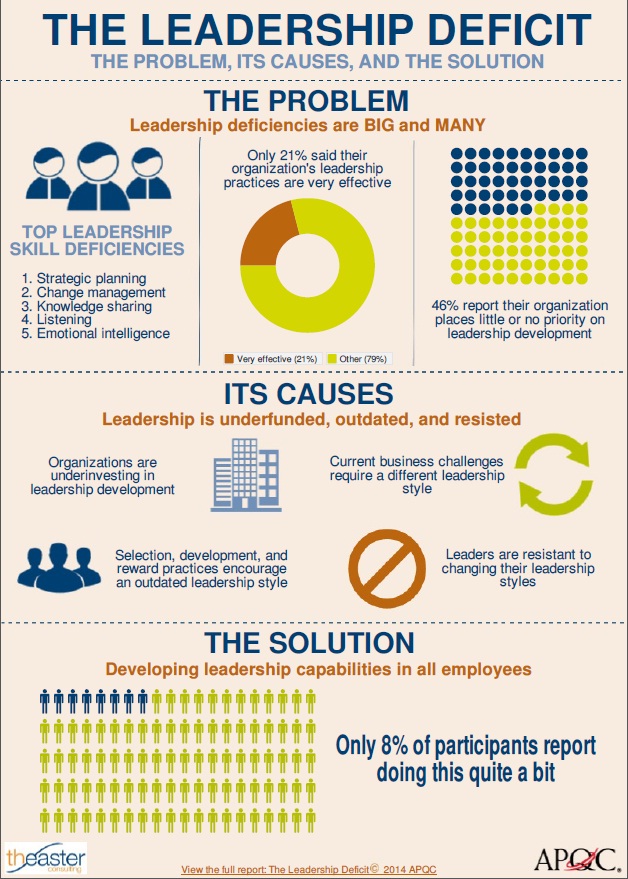
A life train is a specialist who is trained to help customers conquer their objectives. They help them strategize, establish healthy and balanced boundaries and so far more.
As an example, you may have a hard time believing that you're a great mommy because of your experiences maturing. Your coach probes deeper into your ideas as well as aids you understand that the issue lies in your ideas.
Determining Your Goals
A Life instructor helps you recognize goals that are important to you. They likewise aid you break down those goals into even more manageable pieces.
After that they can give you with approaches to conquer those pieces, step by step. They are additionally excellent at helping you re-focus your thinking as well as find different methods of taking a look at a scenario.
Allow's say, as an example, that you have been operating at a hardware shop. However you recognized that you in fact intend to end up being an EMT. After chatting with your life trainer, you determine to make the modification.
Remember, though, that a Life coach is not the like a therapist or counselor. They do not obtain accreditation or training specifically for psychological wellness problems. A specialist will be much better furnished to deal with those types of situations. Instead, a Life coach focuses extra on your future and also just how you can get to where you want to be. https://listodirectory.com/web-site-no-864/ is what makes them an unique and useful resource.
Assisting You Re-Focus Your Reasoning
If you struggle to concentrate your thoughts, life mentoring might be able to help. Life trains are trained to interpret the desires and also suggestions in your head and also equate them right into concrete objectives you can attain. They can also educate you techniques to establish your ability to focus and remain motivated on a lengthy trip toward your goal.
For example, let's state you intend to become an emergency medical technician. Your life coach will certainly aid you identify the actions to require to end up being an emergency medical technician, and also they will motivate and also motivate you to make those modifications. Life trains can likewise aid you take care of psychological blocks that enter your way.
It is necessary to keep in mind that a Life coach does not work with medical problems, and they will often refer you to a specialist or therapist when required. This is because a Life train manage basic health, rather than particular problems and concerns. They can assist you discover methods to get rid of difficulties that you might deal with, consisting of getting rid of concern and insecurities.
Keeping You Answerable
Athletes, performers and also Chief executive officers work with trainers to help them stay on track toward reaching their goals. A life train is a trained expert who can aid you maintain on your own accountable, concentrating on your personal development and also encouraging you to conquer your fears.
Your life train will certainly ask you leading inquiries that assist you to understand your instant and future desires as well as requires. They will certainly also aid you to transform these suggestions right into an organized strategy that urges real life changes and also forward motion.
Life trains are able to offer input on your objectives that is honest as well as separate from your friends and family. They can be your most significant cheerleader, celebrating every turning point and firmly putting you back on course when you start to drift off course. According to a research study performed by the International Training Federation (ICF), people that work with a life coach see several positive impacts in their lives, consisting of raised self-worth and better relationships.
Aiding You Stay Motivated
Life coaches will certainly aid you to stay inspired by helping you to make a plan of action and also by encouraging and supporting you. They can also help you to be sensible regarding the quantity of time that you can commit to achieving your objectives so that you do not end up being prevented or averted.
For instance, you might decide that your function is to conserve lives in emergency situation situations due to the fact that after performing CPR on two individuals and saving their lives, it left an extensive influence on you. Your instructor can assist you to find the guts to make this modification in your job by asking leading questions and aiding you to stay accountable by creating a plan.
While life instructors can be useful, they can not supply you with the same degree of support as a psychological health professional. If you are experiencing significant problems, like significant clinical depression or serious anxiety, it is essential to look for the aid of a mental health and wellness expert asap.

SPOILER ALERT!
How Life Trainers Deal With Their Customers To Determine Goals That Are Based Upon Personal Values And Desires?
Content writer-Wulff Overgaard
A life trainer is an advisor who tips you through the process of achieving your objectives. They are not specialists or consultants; they concentrate on the objective itself rather than the psychological foundation that underlies it.
A life trainer is trained to ask you concerns that aid you discover your course, reality as well as responses. Unlike loved ones, they are completely honest.
Stress is an all-natural part of life, yet it can be tough to handle. Life instructors can help you lower your stress and anxiety levels by helping you find out to identify and identify your anxiety activates. They can additionally educate you to exercise stress and anxiety management methods such as reflection and breathing exercises.
A good life trainer will certainly also be a reliable accountability partner. They will certainly hold you answerable to your goals and motivate you to work hard, also when it's challenging. They can also be handy in overcoming obstacles to success, such as worry of failing or laziness.
Tension monitoring mentoring is an important source for individuals, along with for companies. It helps people boost their productivity and psychological and psychological health and wellness, while reducing stress-related lacks, delay, as well as crashes at work. A stress-management mentoring program can additionally aid boost employee retention and productivity, in addition to total involvement and spirits. Moreover, it can boost connections as well as help employees develop a much more balanced way of life.
Clinical depression and also stress and anxiety prevail worries that can affect your quality of life. They can cause unhealthy coping approaches, such as too much sleeping or binge-eating. A life trainer can assist you damage these patterns and develop more effective coping devices.
Life instructors can additionally educate you strategies like NLP that will assist you decrease limiting ideas and also negative thinking. These strategies can aid you develop your self-confidence and get over anxiety or clinical depression.
However, life training is not a replacement for professional mental health therapy. Accredited psychotherapists and also psychiatrists can give the diagnosis as well as evidence-based treatment you require.
Life coaches can complement your treatment by concentrating on self-development as well as goal-setting, which are frequently disregarded in mental wellness treatments. Talk to your specialist concerning adding life mentoring to your therapy plan. You can also ask for a recommendation to a life trainer who has experience with mental health and wellness issues. The right instructor will have a solid understanding of the distinct difficulties that featured these problems.
Many individuals have problem with setting objectives as well as keeping them. Athletes, entertainers as well as CEOs all have trainers because they identify that without a person to help them stay focused as well as responsible, it is very hard to attain excellence.
They after that break down those objectives right into measurable, sensible and obtainable actions. This guarantees that the client is inspired to reach the objective and that it can be accomplished in a reasonable quantity of time.
Additionally, https://manageatq.blogspot.com/ will certainly also appear worries as well as give the customer approaches to overcome self-inhibiting barriers like laziness, fear of failure, self-doubt, inadequate time management and also problem focusing on. They will after that urge the client to commemorate conference each mini-deadline and also help them establish a positive overview and also self-worth. They will certainly after that set brand-new objectives as well as remain to keep the client answerable. This will inevitably cause success as well as accomplishment.
A life instructor can be important in assisting clients remain inspired and on the right track with their goals. Life instructors can also help them to recognize people in their lives that could be negatively affecting their progression and also can recommend ways to limit their direct exposure to these people.
It is additionally a good idea to publish out the goals you establish with your life instructor and maintain them somewhere visible to remind you of why you are doing what you are doing. When Feedback starts to subside, a coach can help you refocus and also get back on track by asking laser-focused questions.
One more manner in which life trainers can help with inspiration is by making use of strategies like Motivational Interviewing, which is a non-confrontational strategy to evoking behavior change. This method is frequently used together with a range of healing approaches to treat a large range of concerns. Team mentoring is likewise a wonderful method to keep motivation degrees high by creating an on-line neighborhood where participants can get in touch with each other in between sessions.
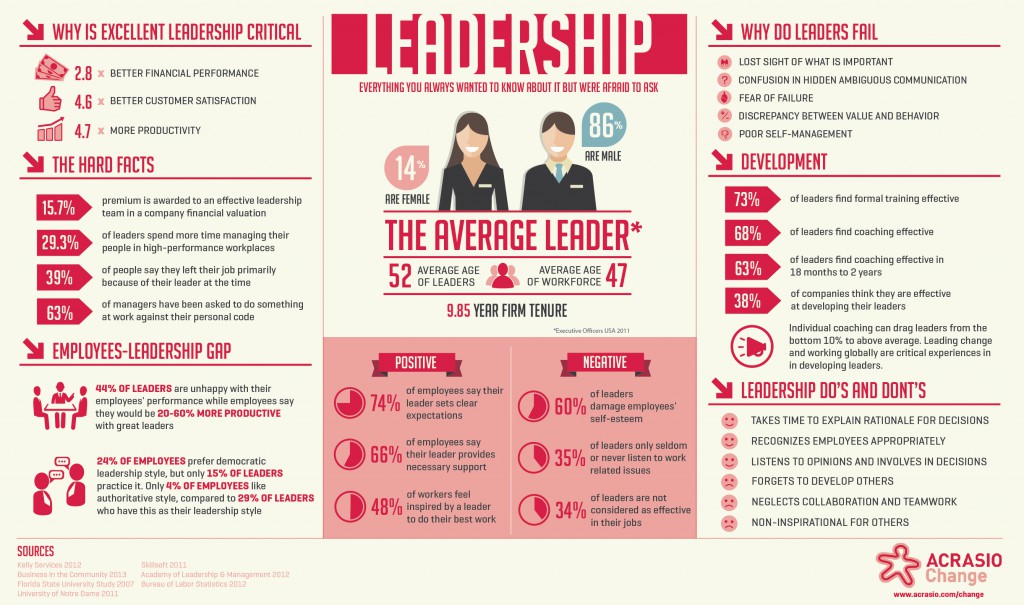
A life trainer is an advisor who tips you through the process of achieving your objectives. They are not specialists or consultants; they concentrate on the objective itself rather than the psychological foundation that underlies it.
A life trainer is trained to ask you concerns that aid you discover your course, reality as well as responses. Unlike loved ones, they are completely honest.
Stress administration
Stress is an all-natural part of life, yet it can be tough to handle. Life instructors can help you lower your stress and anxiety levels by helping you find out to identify and identify your anxiety activates. They can additionally educate you to exercise stress and anxiety management methods such as reflection and breathing exercises.
A good life trainer will certainly also be a reliable accountability partner. They will certainly hold you answerable to your goals and motivate you to work hard, also when it's challenging. They can also be handy in overcoming obstacles to success, such as worry of failing or laziness.
Tension monitoring mentoring is an important source for individuals, along with for companies. It helps people boost their productivity and psychological and psychological health and wellness, while reducing stress-related lacks, delay, as well as crashes at work. A stress-management mentoring program can additionally aid boost employee retention and productivity, in addition to total involvement and spirits. Moreover, it can boost connections as well as help employees develop a much more balanced way of life.
Clinical depression as well as stress and anxiety alleviation
Clinical depression and also stress and anxiety prevail worries that can affect your quality of life. They can cause unhealthy coping approaches, such as too much sleeping or binge-eating. A life trainer can assist you damage these patterns and develop more effective coping devices.
Life instructors can additionally educate you strategies like NLP that will assist you decrease limiting ideas and also negative thinking. These strategies can aid you develop your self-confidence and get over anxiety or clinical depression.
However, life training is not a replacement for professional mental health therapy. Accredited psychotherapists and also psychiatrists can give the diagnosis as well as evidence-based treatment you require.
Life coaches can complement your treatment by concentrating on self-development as well as goal-setting, which are frequently disregarded in mental wellness treatments. Talk to your specialist concerning adding life mentoring to your therapy plan. You can also ask for a recommendation to a life trainer who has experience with mental health and wellness issues. The right instructor will have a solid understanding of the distinct difficulties that featured these problems.
Goal-setting
Many individuals have problem with setting objectives as well as keeping them. Athletes, entertainers as well as CEOs all have trainers because they identify that without a person to help them stay focused as well as responsible, it is very hard to attain excellence.
They after that break down those objectives right into measurable, sensible and obtainable actions. This guarantees that the client is inspired to reach the objective and that it can be accomplished in a reasonable quantity of time.
Additionally, https://manageatq.blogspot.com/ will certainly also appear worries as well as give the customer approaches to overcome self-inhibiting barriers like laziness, fear of failure, self-doubt, inadequate time management and also problem focusing on. They will after that urge the client to commemorate conference each mini-deadline and also help them establish a positive overview and also self-worth. They will certainly after that set brand-new objectives as well as remain to keep the client answerable. This will inevitably cause success as well as accomplishment.
Inspiration
A life instructor can be important in assisting clients remain inspired and on the right track with their goals. Life instructors can also help them to recognize people in their lives that could be negatively affecting their progression and also can recommend ways to limit their direct exposure to these people.
It is additionally a good idea to publish out the goals you establish with your life instructor and maintain them somewhere visible to remind you of why you are doing what you are doing. When Feedback starts to subside, a coach can help you refocus and also get back on track by asking laser-focused questions.
One more manner in which life trainers can help with inspiration is by making use of strategies like Motivational Interviewing, which is a non-confrontational strategy to evoking behavior change. This method is frequently used together with a range of healing approaches to treat a large range of concerns. Team mentoring is likewise a wonderful method to keep motivation degrees high by creating an on-line neighborhood where participants can get in touch with each other in between sessions.

SPOILER ALERT!
What Can A Life Train Provide For You?
Content create by-Oakley Pike
You can ask a prospective life instructor how long they have actually been training and also what locations they focus on. It is an excellent concept to select an instructor that has concentrated on a certain location as they will certainly be much more well-informed regarding the refined nuances of that specific domain.
A wonderful life instructor will recognize that they do not have all the answers for you. They will partner with you to open the responses within on your own.
Life coaches can be fantastic at assisting you determine your goals and also creating a strategy to accomplish them. They also assist you stay on track as well as assistance you when you slip up.
They utilize leading inquiries to uncover your underlying inspirations and beliefs. Life coaches can likewise assist you develop a plan to overcome obstacles and also obstructions that prevent you from moving forward.
You can find a life trainer in person, over the phone, or via video conversation. The majority of trains specialize in different locations, such as job, wellness, partnerships, or spirituality. Some are additionally trained in specific strategies that encourage development, such as reflection, breathwork, activity, or energy practices like reiki.
Nonetheless, they are not certified therapists and also can not resolve scientific concerns or detect mental disorder. A good trainer will certainly know the limits of their knowledge as well as refer you to a therapist if required. This aids to avoid problem of rate of interest. This is particularly important if you're handling a complex concern, such as an eating disorder or material addiction.
Life instructors utilize their interpersonal abilities to assist customers set brand-new objectives and alter the instructions of their lives. They additionally provide support as well as liability to make sure that clients follow up on their commitments.
For instance, a coach might collaborate with a customer to help them identify their toughness as well as weaknesses. As soon as a person has quality on these elements of their individuality, it is much easier for them to make decisions that will positively influence their lives.
A life trainer will certainly have the ability to guide their client via the procedure of making these adjustments by modifying their believed procedures and by urging them to test themselves. Nonetheless, it is up to the private to have their own drive and emphasis in between sessions to do something about it on these newfound understandings.
It is very important to keep in mind that life mentoring is not therapy and does not deal with clinical problems. A good life coach will recognize their limits as well as refer a customer to a specialist if required.
A life instructor can aid you unlock your hopes, desires and interests. They'll additionally work with you to address barricades that keep you stuck. try this site 'll give you tools, tips and suggestions to aid you break down big goals into tiny, attainable purposes.
Furthermore, they'll instruct you methods to overcome challenges such as procrastination, self-doubt, as well as trouble prioritizing your objectives. https://allarticles.online/website-list-875/ 'll likewise help you establish an I-can-do-it perspective as well as create means to stay focused.
However, it is very important to note that life instructors are not psychological health and wellness professionals and also can not supply treatment. If you are struggling with a psychological health condition, be sure to see a therapist immediately. The lack of law in the field of life mentoring can draw in insincere go-getters. This is why it's vital to put in the time to find a coach that is a great fit for you. Try to find someone who has experience in your location of passion and also a proven record.
If you're prone to obtaining sidetracked, your life trainer can aid maintain you on the right track. They might make use of methods like meditation, hypnosis, and neuro-linguistic programs.
They'll also ask you leading concerns to aid you discover more concerning on your own as well as your objectives. They'll resolve barricades as well as provide you the tools, tips, as well as tips you need to function previous them.
As an example, if you're working at a hardware store and also don't enjoy it, your coach may help you recognize that your genuine passion is assisting individuals. They could encourage you to obtain a task as an emergency medical technician.
Nonetheless, a life trainer might not be the appropriate fit for every person. For instance, if you have a great deal of mental blocks as well as unsolved injury, a specialist could be extra practical than a life coach. That's since therapists have actually progressed training in handling trauma and also past issues. Moreover, they're concentrated on healing the origin of the problem rather than just symptomatic relief.

You can ask a prospective life instructor how long they have actually been training and also what locations they focus on. It is an excellent concept to select an instructor that has concentrated on a certain location as they will certainly be much more well-informed regarding the refined nuances of that specific domain.
A wonderful life instructor will recognize that they do not have all the answers for you. They will partner with you to open the responses within on your own.
They Aid You Establish Objectives
Life coaches can be fantastic at assisting you determine your goals and also creating a strategy to accomplish them. They also assist you stay on track as well as assistance you when you slip up.
They utilize leading inquiries to uncover your underlying inspirations and beliefs. Life coaches can likewise assist you develop a plan to overcome obstacles and also obstructions that prevent you from moving forward.
You can find a life trainer in person, over the phone, or via video conversation. The majority of trains specialize in different locations, such as job, wellness, partnerships, or spirituality. Some are additionally trained in specific strategies that encourage development, such as reflection, breathwork, activity, or energy practices like reiki.
Nonetheless, they are not certified therapists and also can not resolve scientific concerns or detect mental disorder. A good trainer will certainly know the limits of their knowledge as well as refer you to a therapist if required. This aids to avoid problem of rate of interest. This is particularly important if you're handling a complex concern, such as an eating disorder or material addiction.
They Hold You Responsible
Life instructors utilize their interpersonal abilities to assist customers set brand-new objectives and alter the instructions of their lives. They additionally provide support as well as liability to make sure that clients follow up on their commitments.
For instance, a coach might collaborate with a customer to help them identify their toughness as well as weaknesses. As soon as a person has quality on these elements of their individuality, it is much easier for them to make decisions that will positively influence their lives.
A life trainer will certainly have the ability to guide their client via the procedure of making these adjustments by modifying their believed procedures and by urging them to test themselves. Nonetheless, it is up to the private to have their own drive and emphasis in between sessions to do something about it on these newfound understandings.
It is very important to keep in mind that life mentoring is not therapy and does not deal with clinical problems. A good life coach will recognize their limits as well as refer a customer to a specialist if required.
They Aid You Release Your Prospective
A life instructor can aid you unlock your hopes, desires and interests. They'll additionally work with you to address barricades that keep you stuck. try this site 'll give you tools, tips and suggestions to aid you break down big goals into tiny, attainable purposes.
Furthermore, they'll instruct you methods to overcome challenges such as procrastination, self-doubt, as well as trouble prioritizing your objectives. https://allarticles.online/website-list-875/ 'll likewise help you establish an I-can-do-it perspective as well as create means to stay focused.
However, it is very important to note that life instructors are not psychological health and wellness professionals and also can not supply treatment. If you are struggling with a psychological health condition, be sure to see a therapist immediately. The lack of law in the field of life mentoring can draw in insincere go-getters. This is why it's vital to put in the time to find a coach that is a great fit for you. Try to find someone who has experience in your location of passion and also a proven record.
They Help You Remain Focused
If you're prone to obtaining sidetracked, your life trainer can aid maintain you on the right track. They might make use of methods like meditation, hypnosis, and neuro-linguistic programs.
They'll also ask you leading concerns to aid you discover more concerning on your own as well as your objectives. They'll resolve barricades as well as provide you the tools, tips, as well as tips you need to function previous them.
As an example, if you're working at a hardware store and also don't enjoy it, your coach may help you recognize that your genuine passion is assisting individuals. They could encourage you to obtain a task as an emergency medical technician.
Nonetheless, a life trainer might not be the appropriate fit for every person. For instance, if you have a great deal of mental blocks as well as unsolved injury, a specialist could be extra practical than a life coach. That's since therapists have actually progressed training in handling trauma and also past issues. Moreover, they're concentrated on healing the origin of the problem rather than just symptomatic relief.

SPOILER ALERT!
How A Life Train Can Aid You Accomplish Your Objectives
Article writer-Bernstein Todd
Similar to a professional athlete would not climb up a mountain without an instructor, you shouldn't attempt to tackle life objectives alone. Life instructors provide skilled advice, assistance and inspiration to help you reach your goals.
Life instructors may work in person or over the phone or web cam. They likewise manage management aspects of their mentoring organization, such as organizing sessions and also marketing their solutions.
A major part of the mentoring process is helping clients identify what they want to accomplish. They can then aid you take shape these goals into substantial objectives that you can methodically complete.
Life instructors can additionally supply support when you run into challenges that keep you from accomplishing your goals, such as self-doubt, difficulty focusing on, perfectionism or procrastination. They can instruct you approaches to conquer these challenges and provide you the self-confidence increase that you need to push yourself via the harsh patches.
The very best life trains will be able to learn more about their clients well, observe their actions and ask provocative concerns. They can meet you individually via phone, Skype or other conference-style programs, or face-to-face in a workplace setup. When choosing a life trainer, try to find one that has substantial training as well as experience in assisting others attain their goals. Normally, these instructors have actually completed an ICF-accredited program. This is a mark of expertise and a warranty that they can offer top quality training solutions.
Study after research shows that what makes people pleased is highly personalized. Some cultures, for instance, grow on social interaction while others discover solace in seclusion. A life trainer can aid you figure out what actually makes you delighted.
For instance, possibly you have an unpleasant past experience like the death of a loved one and now you wish to channel it right into helping others. Your life trainer will assist you set goals to do simply that, including reaching out to the neighborhood phase head of state of a suicide avoidance company.
It is necessary to note that life coaches are not therapists. Licensed specialists offer psychotherapy, which is a lot more involved as well as deep. However, both offer several benefits for the best person. As an example, a life train can offer you honest conceptualizing support while a specialist can supply advice on just how to deal with injury and also depression. This is why it's important to select a certified life coach who has a reliable and also well-established training program.
A life instructor is a fantastic source to aid you discover solutions and also get over barriers. They are competent at asking thought-provoking questions that will certainly permit you to dig much deeper and also recognize what is holding you back.
Let's state you operate at an equipment shop, however you feel like it is not your function in life. You have actually conserved two lives via performing CPR on complete strangers who had medical emergency situations, and you want to do even more of that.
A life instructor can help you figure out how to make that a truth by helping you produce a plan to achieve it. They are not qualified specialists, nevertheless, so they might not be able to help with extreme psychological health and wellness problems such as anxiety or stress and anxiety. If Credential is the case, a life coach will likely refer you to a specialist for therapy sessions. Nonetheless, simply click the following article can still be an excellent source for you to develop a healthier relationship with yourself as well as others.
The most reliable life trainers have the ability to help their customers maintain inspiration as well as remain answerable in their journey toward getting to goals. They're able to do this by helping with meetings between their customers as well as helping them resolve obstructions such as limiting ideas that keep them stuck in a rut.
While life training isn't treatment, and also it can not resolve underlying psychological health and wellness issues, it can still be an important tool for anyone battling to find their way in life. Life trains can also act as a mentor to their clients, and also they can use assistance and also assistance on exactly how to overcome obstacles.
Unlike specialists, there is no governing body that controls the life trainer sector, which means that anybody can call themselves a trainer without any official training or experience. Nonetheless, genuine credentialing bodies like the International Training Federation evaluate coaching programs and require that trainers satisfy a set of requirements as well as ethics to be certified.

Similar to a professional athlete would not climb up a mountain without an instructor, you shouldn't attempt to tackle life objectives alone. Life instructors provide skilled advice, assistance and inspiration to help you reach your goals.
Life instructors may work in person or over the phone or web cam. They likewise manage management aspects of their mentoring organization, such as organizing sessions and also marketing their solutions.
1. They Help You Establish Objectives
A major part of the mentoring process is helping clients identify what they want to accomplish. They can then aid you take shape these goals into substantial objectives that you can methodically complete.
Life instructors can additionally supply support when you run into challenges that keep you from accomplishing your goals, such as self-doubt, difficulty focusing on, perfectionism or procrastination. They can instruct you approaches to conquer these challenges and provide you the self-confidence increase that you need to push yourself via the harsh patches.
The very best life trains will be able to learn more about their clients well, observe their actions and ask provocative concerns. They can meet you individually via phone, Skype or other conference-style programs, or face-to-face in a workplace setup. When choosing a life trainer, try to find one that has substantial training as well as experience in assisting others attain their goals. Normally, these instructors have actually completed an ICF-accredited program. This is a mark of expertise and a warranty that they can offer top quality training solutions.
2. They Aid You Understand What Makes You Satisfied
Study after research shows that what makes people pleased is highly personalized. Some cultures, for instance, grow on social interaction while others discover solace in seclusion. A life trainer can aid you figure out what actually makes you delighted.
For instance, possibly you have an unpleasant past experience like the death of a loved one and now you wish to channel it right into helping others. Your life trainer will assist you set goals to do simply that, including reaching out to the neighborhood phase head of state of a suicide avoidance company.
It is necessary to note that life coaches are not therapists. Licensed specialists offer psychotherapy, which is a lot more involved as well as deep. However, both offer several benefits for the best person. As an example, a life train can offer you honest conceptualizing support while a specialist can supply advice on just how to deal with injury and also depression. This is why it's important to select a certified life coach who has a reliable and also well-established training program.
3. They Help You Create a Problem-Solving Attitude
A life instructor is a fantastic source to aid you discover solutions and also get over barriers. They are competent at asking thought-provoking questions that will certainly permit you to dig much deeper and also recognize what is holding you back.
Let's state you operate at an equipment shop, however you feel like it is not your function in life. You have actually conserved two lives via performing CPR on complete strangers who had medical emergency situations, and you want to do even more of that.
A life instructor can help you figure out how to make that a truth by helping you produce a plan to achieve it. They are not qualified specialists, nevertheless, so they might not be able to help with extreme psychological health and wellness problems such as anxiety or stress and anxiety. If Credential is the case, a life coach will likely refer you to a specialist for therapy sessions. Nonetheless, simply click the following article can still be an excellent source for you to develop a healthier relationship with yourself as well as others.
4. They Aid You Remain Accountable
The most reliable life trainers have the ability to help their customers maintain inspiration as well as remain answerable in their journey toward getting to goals. They're able to do this by helping with meetings between their customers as well as helping them resolve obstructions such as limiting ideas that keep them stuck in a rut.
While life training isn't treatment, and also it can not resolve underlying psychological health and wellness issues, it can still be an important tool for anyone battling to find their way in life. Life trains can also act as a mentor to their clients, and also they can use assistance and also assistance on exactly how to overcome obstacles.
Unlike specialists, there is no governing body that controls the life trainer sector, which means that anybody can call themselves a trainer without any official training or experience. Nonetheless, genuine credentialing bodies like the International Training Federation evaluate coaching programs and require that trainers satisfy a set of requirements as well as ethics to be certified.

SPOILER ALERT!
Learn What You Must Learn About Becoming A Leader
Content author-Borup McLeod
Strong leadership skills are paramount to creating an effective team and leading an organization to greatness. If you are looking to develop your own skills in order to become such a strong leader, look no further than this article. Here we will provide you with a bevy of information that can enhance your leadership capabilities and help to lead you to new heights in the business world.
Even if you are not the best at everything you do, you should never let people know that. Being a leader is about accepting the negative things about yourself, but not allowing them to stop you from doing your best. This pertains to all points in your life where you may be lacking.
You need to find the innate qualities in yourself that can help you become a good leader. Although you may not naturally tend toward a leadership role, there is some aspect of your personality that you can develop which will help you to take charge. With time, experience and practice, you can hone your skills and develop your leadership abilities.
You can never be a good leader if you don't respect that others may have different opinions than your own. While it may seem like being a leader is all about bossing people around, you can never be the boss if you have no idea how to respect the feelings of others.
Effective leaders are inspiring. You need to develop the ability to inspire those who work under you, motivating them to work toward a common goal. You can use public speaking to achieve this, but there are also videos, blogs, articles and other methods to convey your uplifting message to your audience.
visit my website on building trust with the people that work with you. People need to feel that they can trust their leader. This can motivate them to succeed and help build cooperation and understanding in the company. You should inspire others so that their trust in you can help tasks get completed properly.
If you are in a leadership role, make it a point to avoid using harsh, or discouraging comments with your team members. Instead of using negative reinforcement, try starting the conversation with a positive comment, then gently easing into your problem or concern. This helps them to let their guard down, and remember that you are on their side.
Leaders aren't afraid to ask questions. If they don't know something, they ask. Follow their example and don't try to pretend that you know everything. It will reflect badly on you when the truth comes out. Gather all the relevant information so that can you make an accurate decision.
Continue to learn new leadership techniques and innovative methods for conducting business. Continuing your education will give you a better understanding of how your younger employees think. A new perspective will help you improve your leadership style while also giving you the tools to be competitive in an ever-changing market.
All work-forces, or teams, have issues from time to time. As a leader, it is important that you deal with, and try to solve, these issues in a timely, and satisfactory manner that benefits both you, and your team. Try creating a committee that will help you to identify, and prioritize, team issues. Then, enlist their help in finding solutions for these issues.
As a leader, or manager, your team is your greatest asset. And, they know the business better than anyone. Try carrying a journal, or notebook with you at all times. Use it to write down any information, ideas and problems you hear from the team. Then, each week, go over your notes, and see what you can do to implement good ideas, and solve any problems you may have encountered.
Real leaders are willing to learn. Many great leadership skills don't just occur from a sudden flash of insight or a great epiphany. see here can come to anybody, but good leaders study. Try reading some books on how to be a good leader, going to seminars, and talking to colleagues to see what works best for them. It can take a long time, but the more knowledge you have about proper leadership skills, the better yours can become.
Build play time into work time. Not every moment of the day needs to be filled with productivity. Smart leadership will find ways for employees to let go every once in a while. It can be an outdoor activity or an indoor game room, or something else entirely. You'll see that your employees will respond positively.
The best leaders are inevitably ones who have a knack for hiring the right people to work with them, assembling a team that is both cohesive and motivated. One bad apple spoils the whole bunch, as the saying goes. When putting together the winning team, an effective leader is able to recognize the weak link and remove it from the chain.
The way you use humor in the presence of others can influence their perceptions of your leadership abilities. For example, you may find that constant self-deprecation has an unfavorable effect on others' respect for your power. Frequent use of this type of humor communicates immaturity and an inability to be serious.
A large problem for business these days is the loss of one-on-one communication. This is primarily due to the electronic age we live in. If you want to be a good leader, try foregoing the emails and text messages, and really interact one-on-one with your team. Get to know them, and let them get to know you. Real relationships still work best.
Help your employees to follow their dreams. Everyone has goals, and a strong leader realizes the goals of his employees and helps them to get there. This helps to keep people motivated and dedicated, and the new skill sets they learn along the way can benefit your organization too.
Great leaders offer a lot of constructive criticism. Rather than just telling your employees what they are doing wrong, offer them suggestions about how to improve. Listen to their opinions about said actions, and help them to get onto the right path. Doing this shows that you care about your employees, and it makes you a more respected leader too.
Try to simplify tasks for your employees. In today's world, it is important to complete tasks quickly in order to reach the ultimate goal of success. Take the time to simplify difficult projects by getting rid of meaningless paperwork and reports, and replace them with work that will really help your team to accomplish the important goals.
There is no denying that truly great leaders are strong and have confidence. That's why many people wish to have the qualities and traits that help them become great leaders like those before them. The preceding article should have given you a good basis of information as you learn more about this topic.

Strong leadership skills are paramount to creating an effective team and leading an organization to greatness. If you are looking to develop your own skills in order to become such a strong leader, look no further than this article. Here we will provide you with a bevy of information that can enhance your leadership capabilities and help to lead you to new heights in the business world.
Even if you are not the best at everything you do, you should never let people know that. Being a leader is about accepting the negative things about yourself, but not allowing them to stop you from doing your best. This pertains to all points in your life where you may be lacking.
You need to find the innate qualities in yourself that can help you become a good leader. Although you may not naturally tend toward a leadership role, there is some aspect of your personality that you can develop which will help you to take charge. With time, experience and practice, you can hone your skills and develop your leadership abilities.
You can never be a good leader if you don't respect that others may have different opinions than your own. While it may seem like being a leader is all about bossing people around, you can never be the boss if you have no idea how to respect the feelings of others.
Effective leaders are inspiring. You need to develop the ability to inspire those who work under you, motivating them to work toward a common goal. You can use public speaking to achieve this, but there are also videos, blogs, articles and other methods to convey your uplifting message to your audience.
visit my website on building trust with the people that work with you. People need to feel that they can trust their leader. This can motivate them to succeed and help build cooperation and understanding in the company. You should inspire others so that their trust in you can help tasks get completed properly.
If you are in a leadership role, make it a point to avoid using harsh, or discouraging comments with your team members. Instead of using negative reinforcement, try starting the conversation with a positive comment, then gently easing into your problem or concern. This helps them to let their guard down, and remember that you are on their side.
Leaders aren't afraid to ask questions. If they don't know something, they ask. Follow their example and don't try to pretend that you know everything. It will reflect badly on you when the truth comes out. Gather all the relevant information so that can you make an accurate decision.
Continue to learn new leadership techniques and innovative methods for conducting business. Continuing your education will give you a better understanding of how your younger employees think. A new perspective will help you improve your leadership style while also giving you the tools to be competitive in an ever-changing market.
All work-forces, or teams, have issues from time to time. As a leader, it is important that you deal with, and try to solve, these issues in a timely, and satisfactory manner that benefits both you, and your team. Try creating a committee that will help you to identify, and prioritize, team issues. Then, enlist their help in finding solutions for these issues.
As a leader, or manager, your team is your greatest asset. And, they know the business better than anyone. Try carrying a journal, or notebook with you at all times. Use it to write down any information, ideas and problems you hear from the team. Then, each week, go over your notes, and see what you can do to implement good ideas, and solve any problems you may have encountered.
Real leaders are willing to learn. Many great leadership skills don't just occur from a sudden flash of insight or a great epiphany. see here can come to anybody, but good leaders study. Try reading some books on how to be a good leader, going to seminars, and talking to colleagues to see what works best for them. It can take a long time, but the more knowledge you have about proper leadership skills, the better yours can become.
Build play time into work time. Not every moment of the day needs to be filled with productivity. Smart leadership will find ways for employees to let go every once in a while. It can be an outdoor activity or an indoor game room, or something else entirely. You'll see that your employees will respond positively.
The best leaders are inevitably ones who have a knack for hiring the right people to work with them, assembling a team that is both cohesive and motivated. One bad apple spoils the whole bunch, as the saying goes. When putting together the winning team, an effective leader is able to recognize the weak link and remove it from the chain.
The way you use humor in the presence of others can influence their perceptions of your leadership abilities. For example, you may find that constant self-deprecation has an unfavorable effect on others' respect for your power. Frequent use of this type of humor communicates immaturity and an inability to be serious.
A large problem for business these days is the loss of one-on-one communication. This is primarily due to the electronic age we live in. If you want to be a good leader, try foregoing the emails and text messages, and really interact one-on-one with your team. Get to know them, and let them get to know you. Real relationships still work best.
Help your employees to follow their dreams. Everyone has goals, and a strong leader realizes the goals of his employees and helps them to get there. This helps to keep people motivated and dedicated, and the new skill sets they learn along the way can benefit your organization too.
Great leaders offer a lot of constructive criticism. Rather than just telling your employees what they are doing wrong, offer them suggestions about how to improve. Listen to their opinions about said actions, and help them to get onto the right path. Doing this shows that you care about your employees, and it makes you a more respected leader too.
Try to simplify tasks for your employees. In today's world, it is important to complete tasks quickly in order to reach the ultimate goal of success. Take the time to simplify difficult projects by getting rid of meaningless paperwork and reports, and replace them with work that will really help your team to accomplish the important goals.
There is no denying that truly great leaders are strong and have confidence. That's why many people wish to have the qualities and traits that help them become great leaders like those before them. The preceding article should have given you a good basis of information as you learn more about this topic.

SPOILER ALERT!
Come To Be A Leader With These Simple Steps
Content writer-Pridgen Smedegaard
As a leader, you want to see the people you know succeed. You have recognized leadership qualities in other people you respect, and now it's just time that you bring these to your attention by reading about them. The following information is going to help you focus on your leadership abilities.
Even if you are not the best at everything you do, you should never let people know that. Being a leader is about accepting the negative things about yourself, but not allowing them to stop you from doing your best. This pertains to all points in your life where you may be lacking.
Be strong and decisive as a leader. As Amy Alzina Superintendent , you will probably make the decisions. If the team has a couple different opinions regarding problem solutions, decide on a solution that will benefit everyone instead of a couple people.
Learn to delegate nonessential tasks to your employees. Delegation allows you to focus on the essential things that must be done to make your company successful. Additionally, delegating tasks to your employees gives them a sense of pride and ownership in the company. Although it is tempting to try to do everything yourself, delegation is beneficial to your company.
Be sure that you spend some time each day out of your office, and in the midst of the workforce. Try to be a part of the group, while maintaining your leadership role. You can use this time to get to know your employees, ask questions or even join them for lunch.
Talk to other leaders. This can be a great way to get feedback on ideas and to figure out how best to address concerns and problems. This will also give you time to observe other leadership styles and techniques. You may find something useful, or you might inspire someone else.
As a business leader, every success will be attributed to you and every mistake will fall on your shoulders. You must offer feedback to your employees on a regular basis. They need to know what they're doing right and where the could use some improvement. Ensure that your employees understand what is expected of them.
Don't take exceptional employees for granted. Reward your best workers. Give them more varied responsibilities and better opportunities. Match their pay to their performance. Don't let hard work go unnoticed. Make sure that you are reviewing the performance of your workers on a regular basis. If someone is truly going above and beyond, reward them for it.
Do not be afraid to listen to instinct. Part of the reason you became a leader is because you have good instincts so don't discount them. Naturally, mistakes are bound to happen. Accept that, move on and use them as a lesson. Keep them in mind so that you can learn from them, but don't dwell on them.
There are many types of leadership styles but none of them is the absolute best. The secret to being a good leader is knowing your strengths and weaknesses and working with them. You also need to assess the group that are leading and make the most of their personal skills. Use your ability to make the best of everyone's unique skill set.
As a leader, it is necessary to maintain an optimistic attitude in the workplace. Displaying a lack of confidence and expressing doubts about your team's chances of success is not the way to motivate your team. You can't expect to receive their best effort if they feel they are doomed to fail.
As Dr. Amy Alzina Cold Spring School , your communication skills are key to achieving success. Make sure your expectations are clearly understood by your employees when you delegate responsibilities. Check in on a regular basis to assure the project is on track.
Be an honest and ethical role model for your employees. Honesty with your employees is the best way to build trust. Make sure your employees understand the ethical expectations you have for them. More than that, always behave in an ethical way yourself. If your employees observe you behaving dishonestly, they will do so as well.
Don't hesitate to recognize people for their accomplishments. It is easy to forget to thank people for what they do, especially in a work environment where everything is moving quickly. Make sure you look for reasons to thank people for their good work, instead of simply chiding them when they make mistakes. This will encourage loyalty, and you will find you have an easier time leading when those you lead are loyal.
Maintain your passion for your work and keep your energy soaring. When you love what you do, it shows and others will respect your leadership. Enthusiasm will build momentum for your company. Being a strong leader requires a great amount of energy. Your energy will infect your employees and keep your company moving forward.
If you are new to a leadership role in your workplace, you may have questions, or concerns about your new responsibilities. Think about enlisting the help of a coach, or mentor, with whom you can communicate openly about leadership issues and concerns. It really helps to have a neutral person to give you support in your important, new role.
Do not get too personal with the people working underneath you. While it is a great idea to remain friendly with your employees, forming strong friendships can cross the line, and it might make it more difficult for you to continue working in a boss / employee relationship. Keep a bit of distance for best results.
Keep your work organized and set high work performance standards. If there's a lot of chaos and disorganization around, people around you will follow suit. Once you have clearly outlined all of the necessary goals, it will become easier.
Make sure you are contributing as much as you expect your employees to, more is even better. An employee who watches their boss sit around and wait for others to accomplish tasks will not have as much respect for that boss. Instead, don't be afraid to get your hands dirty and dive right into the projects at hand. This will help you to understand your employees perspective, and it will promote a true sense of team too.
The great leaders of our time exhibit qualities that everyone needs in order to have an easier life. Leadership is the art of maximizing everyone's unique potential. Remember everything you read in the article above. These tips will help you become the best possible leader you can be.
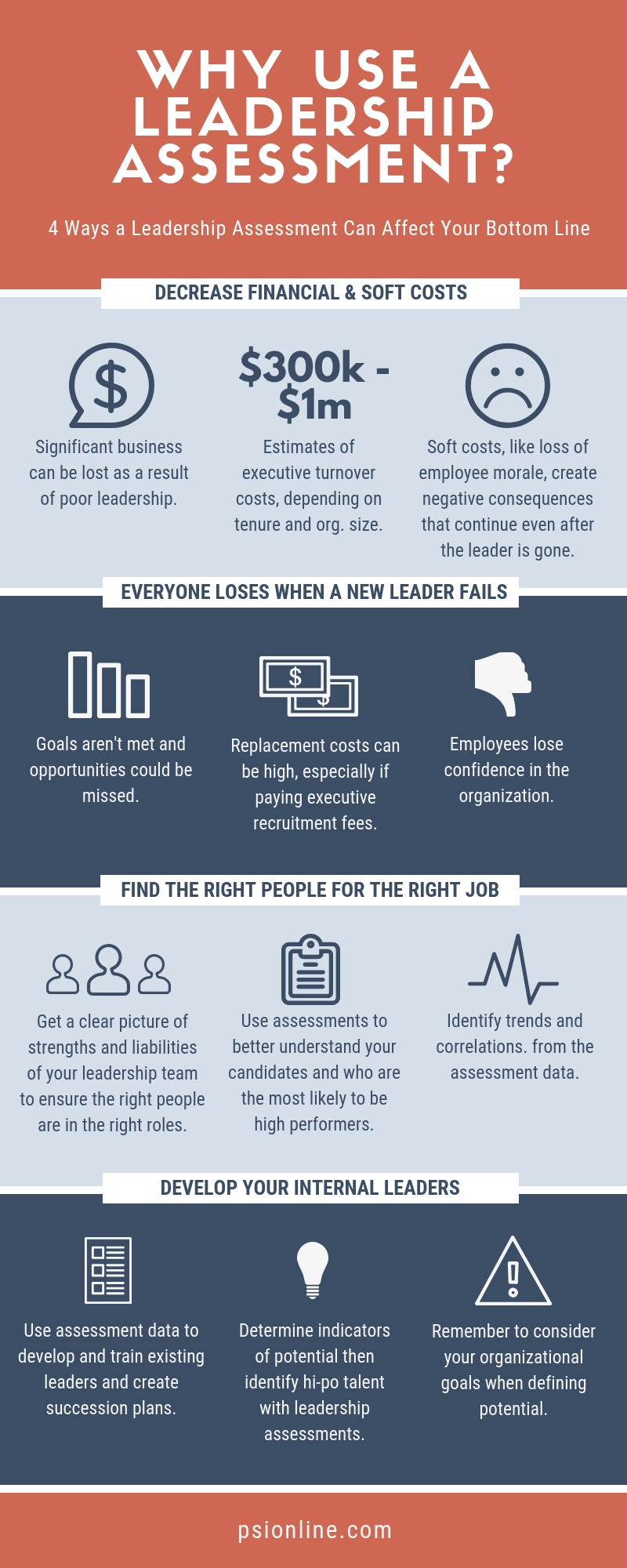
As a leader, you want to see the people you know succeed. You have recognized leadership qualities in other people you respect, and now it's just time that you bring these to your attention by reading about them. The following information is going to help you focus on your leadership abilities.
Even if you are not the best at everything you do, you should never let people know that. Being a leader is about accepting the negative things about yourself, but not allowing them to stop you from doing your best. This pertains to all points in your life where you may be lacking.
Be strong and decisive as a leader. As Amy Alzina Superintendent , you will probably make the decisions. If the team has a couple different opinions regarding problem solutions, decide on a solution that will benefit everyone instead of a couple people.
Learn to delegate nonessential tasks to your employees. Delegation allows you to focus on the essential things that must be done to make your company successful. Additionally, delegating tasks to your employees gives them a sense of pride and ownership in the company. Although it is tempting to try to do everything yourself, delegation is beneficial to your company.
Be sure that you spend some time each day out of your office, and in the midst of the workforce. Try to be a part of the group, while maintaining your leadership role. You can use this time to get to know your employees, ask questions or even join them for lunch.
Talk to other leaders. This can be a great way to get feedback on ideas and to figure out how best to address concerns and problems. This will also give you time to observe other leadership styles and techniques. You may find something useful, or you might inspire someone else.
As a business leader, every success will be attributed to you and every mistake will fall on your shoulders. You must offer feedback to your employees on a regular basis. They need to know what they're doing right and where the could use some improvement. Ensure that your employees understand what is expected of them.
Don't take exceptional employees for granted. Reward your best workers. Give them more varied responsibilities and better opportunities. Match their pay to their performance. Don't let hard work go unnoticed. Make sure that you are reviewing the performance of your workers on a regular basis. If someone is truly going above and beyond, reward them for it.
Do not be afraid to listen to instinct. Part of the reason you became a leader is because you have good instincts so don't discount them. Naturally, mistakes are bound to happen. Accept that, move on and use them as a lesson. Keep them in mind so that you can learn from them, but don't dwell on them.
There are many types of leadership styles but none of them is the absolute best. The secret to being a good leader is knowing your strengths and weaknesses and working with them. You also need to assess the group that are leading and make the most of their personal skills. Use your ability to make the best of everyone's unique skill set.
As a leader, it is necessary to maintain an optimistic attitude in the workplace. Displaying a lack of confidence and expressing doubts about your team's chances of success is not the way to motivate your team. You can't expect to receive their best effort if they feel they are doomed to fail.
As Dr. Amy Alzina Cold Spring School , your communication skills are key to achieving success. Make sure your expectations are clearly understood by your employees when you delegate responsibilities. Check in on a regular basis to assure the project is on track.
Be an honest and ethical role model for your employees. Honesty with your employees is the best way to build trust. Make sure your employees understand the ethical expectations you have for them. More than that, always behave in an ethical way yourself. If your employees observe you behaving dishonestly, they will do so as well.
Don't hesitate to recognize people for their accomplishments. It is easy to forget to thank people for what they do, especially in a work environment where everything is moving quickly. Make sure you look for reasons to thank people for their good work, instead of simply chiding them when they make mistakes. This will encourage loyalty, and you will find you have an easier time leading when those you lead are loyal.
Maintain your passion for your work and keep your energy soaring. When you love what you do, it shows and others will respect your leadership. Enthusiasm will build momentum for your company. Being a strong leader requires a great amount of energy. Your energy will infect your employees and keep your company moving forward.
If you are new to a leadership role in your workplace, you may have questions, or concerns about your new responsibilities. Think about enlisting the help of a coach, or mentor, with whom you can communicate openly about leadership issues and concerns. It really helps to have a neutral person to give you support in your important, new role.
Do not get too personal with the people working underneath you. While it is a great idea to remain friendly with your employees, forming strong friendships can cross the line, and it might make it more difficult for you to continue working in a boss / employee relationship. Keep a bit of distance for best results.
Keep your work organized and set high work performance standards. If there's a lot of chaos and disorganization around, people around you will follow suit. Once you have clearly outlined all of the necessary goals, it will become easier.
Make sure you are contributing as much as you expect your employees to, more is even better. An employee who watches their boss sit around and wait for others to accomplish tasks will not have as much respect for that boss. Instead, don't be afraid to get your hands dirty and dive right into the projects at hand. This will help you to understand your employees perspective, and it will promote a true sense of team too.
The great leaders of our time exhibit qualities that everyone needs in order to have an easier life. Leadership is the art of maximizing everyone's unique potential. Remember everything you read in the article above. These tips will help you become the best possible leader you can be.

SPOILER ALERT!
Would Certainly You Like To Come To Be A Magnate? Read This
Content author-Butcher Lambert
Although conventional wisdom often says that great leaders are born, not made, history has proven otherwise. Many people in a position of leadership have benefited greatly from learning more about the characteristics and habits of effective leaders. This article contains some tips and suggestions for those who are interested in this topic.
Do what's necessary to promote group unity. This means making sure that everyone knows what tasks they need to perform and what everyone else is doing. This prevents duplicate effort. Also, make sure each member of the team keeps the others up to date on progress. This makes budget and time overruns less likely.
Leaders aren't afraid to ask questions. If they don't know something, they ask. Follow their example and don't try to pretend that you know everything. It will reflect badly on you when the truth comes out. Gather all the relevant information so that can you make an accurate decision.
Continue to learn new leadership techniques and innovative methods for conducting business. Continuing your education will give you a better understanding of how your younger employees think. A new perspective will help you improve your leadership style while also giving you the tools to be competitive in an ever-changing market.
Befriend a trustworthy person in the same business field. This person will be invaluable when you have an idea and you want to make sure it is actually viable. You will, of course, have to be available to your "business buddy," as well, as this sort of relationship is a two-way street.
Make things easy for people to understand. If you can take difficult topics and talk about them in a way that everyone can understand, that will be a benefit to you as a leader. People need someone who can explain things, and if you can do that in a way that doesn't make them feel inferior, they will love you.
Don't lower morals for competition. If you find you don't approve of what your competition is doing, then it's up to you to find an alternate route but still be competitive. You don't need to mimic them if you wish to be as successful as possible. You will feel a whole lot better when you find a legitimate way to compete.
A good leadership idea is to engage your employees in meaningful conversation about work. A great way to start is to make a list of things that particularly interest you, and take a few minutes each day to ask employees their opinions on these topics. You will be forming meaningful relationships, and may learn something in the process.
Take care of yourself. When you're a leader, it can be very easy for you to lose yourself. However, it's important for you to remember that you are not going to be much use if you never sleep and never eat. Make sure that you are caring for yourself so you can best care for those you are leading.
Try your best to be an approachable leader. Some people think that using fear and intimidation is a good way to lead. This is far from the truth and will make your job much harder. Communicate your availability to help employees sort through difficult issues and obstacles in their jobs.
Finish what you start. Don't be the kind of business leader that is always giving motivational speeches. Whenever you have a realistic chance of closing out the execution of a stated goal, personally see that it gets done. That will tell colleagues and clients that you mean business. It also sets the bar for what you expect of those under you.
Leaders, and their teams, often do not connect as much they would like to. However, getting together to talk about work is vital in order to keep things running smoothly. The best kind of gathering to start with is one where you, as the leader, opens the forum with a question like, "How is everything going?" This is a great ice-breaker, and will help you to learn a lot.
Keep in mind that hope is not always a good thing. If you or your business are involved in a situation that has an inevitable and bad ending, do what is necessary to terminate the situation and move on. Employees will never forgive blind optimism in such circumstances, and it's better for everyone to have a bad situation behind them as soon as possible.
Visit your local bookstore or library. Check out the section which includes biographies of leaders you respect. You can learn quite a bit by getting a book about someone like an old President, for example.
If you want to be considered a leader, start acting like one. You should know what you think makes a great leader, and try to strive to move toward that. Discover More Here should always avoid foul language, dress appropriately, and show respect to others. Though you may feel as though it isn't worth it, put in extra effort. Doing so will prove you have it what it takes to become a good leader.
Leadership requires you to be able to work within a group. The whole team has to work together to build the leader. Your role as a leader is to unite people to work together to make good decisions. This will allow you to successfully lead your business.
Maintain your passion for your work and keep your energy soaring. When you love what you do, it shows and others will respect your leadership. Superintendent Amy Alzina will build momentum for your company. Being a strong leader requires a great amount of energy. Your energy will infect your employees and keep your company moving forward.
Don't take exceptional employees for granted. Reward your best workers. Give them more varied responsibilities and better opportunities. Match their pay to their performance. Don't let hard work go unnoticed. Make sure that you are reviewing the performance of your workers on a regular basis. If someone is truly going above and beyond, reward them for it.
Effective leadership does not simply just happen. Effective leaders take the time to learn about traits that successful leaders have and habits that they practice. Good leaders can become great ones by studying these characteristics, and it is an education that should continue throughout the duration of one's tenure.
Although conventional wisdom often says that great leaders are born, not made, history has proven otherwise. Many people in a position of leadership have benefited greatly from learning more about the characteristics and habits of effective leaders. This article contains some tips and suggestions for those who are interested in this topic.
Do what's necessary to promote group unity. This means making sure that everyone knows what tasks they need to perform and what everyone else is doing. This prevents duplicate effort. Also, make sure each member of the team keeps the others up to date on progress. This makes budget and time overruns less likely.
Leaders aren't afraid to ask questions. If they don't know something, they ask. Follow their example and don't try to pretend that you know everything. It will reflect badly on you when the truth comes out. Gather all the relevant information so that can you make an accurate decision.
Continue to learn new leadership techniques and innovative methods for conducting business. Continuing your education will give you a better understanding of how your younger employees think. A new perspective will help you improve your leadership style while also giving you the tools to be competitive in an ever-changing market.
Befriend a trustworthy person in the same business field. This person will be invaluable when you have an idea and you want to make sure it is actually viable. You will, of course, have to be available to your "business buddy," as well, as this sort of relationship is a two-way street.
Make things easy for people to understand. If you can take difficult topics and talk about them in a way that everyone can understand, that will be a benefit to you as a leader. People need someone who can explain things, and if you can do that in a way that doesn't make them feel inferior, they will love you.
Don't lower morals for competition. If you find you don't approve of what your competition is doing, then it's up to you to find an alternate route but still be competitive. You don't need to mimic them if you wish to be as successful as possible. You will feel a whole lot better when you find a legitimate way to compete.
A good leadership idea is to engage your employees in meaningful conversation about work. A great way to start is to make a list of things that particularly interest you, and take a few minutes each day to ask employees their opinions on these topics. You will be forming meaningful relationships, and may learn something in the process.
Take care of yourself. When you're a leader, it can be very easy for you to lose yourself. However, it's important for you to remember that you are not going to be much use if you never sleep and never eat. Make sure that you are caring for yourself so you can best care for those you are leading.
Try your best to be an approachable leader. Some people think that using fear and intimidation is a good way to lead. This is far from the truth and will make your job much harder. Communicate your availability to help employees sort through difficult issues and obstacles in their jobs.
Finish what you start. Don't be the kind of business leader that is always giving motivational speeches. Whenever you have a realistic chance of closing out the execution of a stated goal, personally see that it gets done. That will tell colleagues and clients that you mean business. It also sets the bar for what you expect of those under you.
Leaders, and their teams, often do not connect as much they would like to. However, getting together to talk about work is vital in order to keep things running smoothly. The best kind of gathering to start with is one where you, as the leader, opens the forum with a question like, "How is everything going?" This is a great ice-breaker, and will help you to learn a lot.
Keep in mind that hope is not always a good thing. If you or your business are involved in a situation that has an inevitable and bad ending, do what is necessary to terminate the situation and move on. Employees will never forgive blind optimism in such circumstances, and it's better for everyone to have a bad situation behind them as soon as possible.
Visit your local bookstore or library. Check out the section which includes biographies of leaders you respect. You can learn quite a bit by getting a book about someone like an old President, for example.
If you want to be considered a leader, start acting like one. You should know what you think makes a great leader, and try to strive to move toward that. Discover More Here should always avoid foul language, dress appropriately, and show respect to others. Though you may feel as though it isn't worth it, put in extra effort. Doing so will prove you have it what it takes to become a good leader.
Leadership requires you to be able to work within a group. The whole team has to work together to build the leader. Your role as a leader is to unite people to work together to make good decisions. This will allow you to successfully lead your business.
Maintain your passion for your work and keep your energy soaring. When you love what you do, it shows and others will respect your leadership. Superintendent Amy Alzina will build momentum for your company. Being a strong leader requires a great amount of energy. Your energy will infect your employees and keep your company moving forward.
Don't take exceptional employees for granted. Reward your best workers. Give them more varied responsibilities and better opportunities. Match their pay to their performance. Don't let hard work go unnoticed. Make sure that you are reviewing the performance of your workers on a regular basis. If someone is truly going above and beyond, reward them for it.
Effective leadership does not simply just happen. Effective leaders take the time to learn about traits that successful leaders have and habits that they practice. Good leaders can become great ones by studying these characteristics, and it is an education that should continue throughout the duration of one's tenure.

SPOILER ALERT!
Helpful Info Regarding Coming To Be A Better Business Leader
Article writer-Borup Albright
In becoming a great leader, it is always important to take advice from others. Their advice can help you to learn and grow, and it will enhance the skill set that you already have, making you a more effective leader. This article contains such advice. Read it and learn what it takes to become the best.
You may be a visionary with excellent insight into your company's market sector, but you don't know everything. Your subordinates may be in more intimate contact with part of the market as part of their job. If your marketing director says that your advertising isn't appropriate for your target audience, listen to her. She's probably right.
Allow ample opportunity for your employees to offer feedback and new ideas. Although group meetings are the ideal setting for exchange of information, some employees may not feel confident offering opinions in such a public forum. Work with employees individually as well. This will help you gain trust and get some honest feedback.
Don't just fly by the seat of your pants. Instead, pick up a book and read. Don't just read books about business leadership, either. You may find useful bits of knowledge that can be applied to your role as business leader in many different types of books, even those that tell fictional stories!
To help your employees reach goals, set monthly as well as yearly goals. These goals will help spur your employees and help them know what your expectations are. By understanding your expectations, your employees will stay on task and strive to reach the goals. Monthly goals should be easily attainable with hardwork.
While you should always be there for your team as a leader, don't forget to nurture growth in yourself. Figure out where it is that you want to grow. Do what you can to stretch yourself as much as you can. Engage and deepen your passions and strengths to make your most valuable contributions.
Keep your cool even in the craziest of situations. If your employees see you panicking, they'll think it's time to panic. If they see you exuding strength, then they'll feel confident in your ability to make the right decisions for both the company and them. Remember, perception is everything. Even if you feel the opposite, show strength and confidence.
Even if you're not a tremendous speaker, that doesn't mean you can't be a good leader. Communicating effectively can overcome lack of oratory skills. Let all your team members know what is expected of them and how they contribute to the organization. Communicate success stories and be precise when providing critical remarks.
Get to know the truly talented performers underneath you. Great employees are hard to come by, and harder to keep. Learn what their personal ambitions are in life. The more you are able to synergize their dreams with your business' goals, the longer you can retain them and their productivity.
Don't manage, lead. There's a big difference between a manager and a leader. Managers maximize productivity and work on the day to day. Leaders inspire and raise the company up with vision. It's big picture stuff. If you spend too much time managing, you'll never be able to show yourself as a leader to your company.
As a leader, it is important that you set a good example to others. It can be fun to join the workforce for picnics and other activities outside of work. This helps to form good relationships. However, think twice before Amy Alzina Santa Barbara CA join in on Friday tavern nights, poker games or other activities that could damage your leadership role. It is important to keep some things separate from the workforce.
Do not push people on your team too hard since this can result in doing the opposite of what you are trying to accomplish. Instead of giving them motivation to do more work, it may make them feel demoralized. In turn, they will lose a lot of respect for you.
Find out what motivates your employees. Using https://www.pinterest.com/AlzinaAmy of motivation will improve productivity. Remember that not all employees are motivated by the same type of incentive. Besides motivating your employees, you need to support them by standing behind them, helping them reach their business goals and helping them solve problems effectively.
Stress is bound to be a large part of any leadership role. Instead of letting stress contaminate your goals and mindset, find ways to stay positive. Many times, if there is a deadline, or other issue, that is causing undue stress, you can break it down into smaller parts. It is easier to be positive when you feel less pressure.
Recognize employees who do well. Publicly recognizing team members provides a much needed boost of confidence and will also help encourage future participation and efforts. You don't have to have a big formal award, simply acknowledging and praising your employees as part of your day can go a long way to boost morale.
If you want others to trust and respect you as a leader, you need to keep promises. You should never say you are going to do something and then do the exact opposite. If for some reason you are unable to follow through on what you promised, honestly explain why the promise could not be kept.
Take some time to interview people for jobs even if you do not currently have a position open. If you find someone who would be great in your organization, take the time to speak to them about future opportunities. This allows you to avoid having to scramble to find a new person when a position does open up, and it can reduce levels of stress during times of crisis.
Being a good leader means being clear with what you expect from your employees. They aren't mind readers, and neither are you. A good team thrives on structure which you can provide. Tell your employees what's expected of them. Be clear in your goals. Don't be vague about outcomes.
Try to simplify tasks for your employees. In today's world, it is important to complete tasks quickly in order to reach the ultimate goal of success. Take the time to simplify difficult projects by getting rid of meaningless paperwork and reports, and replace them with work that will really help your team to accomplish the important goals.
No matter how long you have been a leader, it is important to be open to learning new things. Even professionals need to practice their skills and learn new skills and techniques once in a while. Use the helpful information outlined above to help improve your skills and become a better leader.
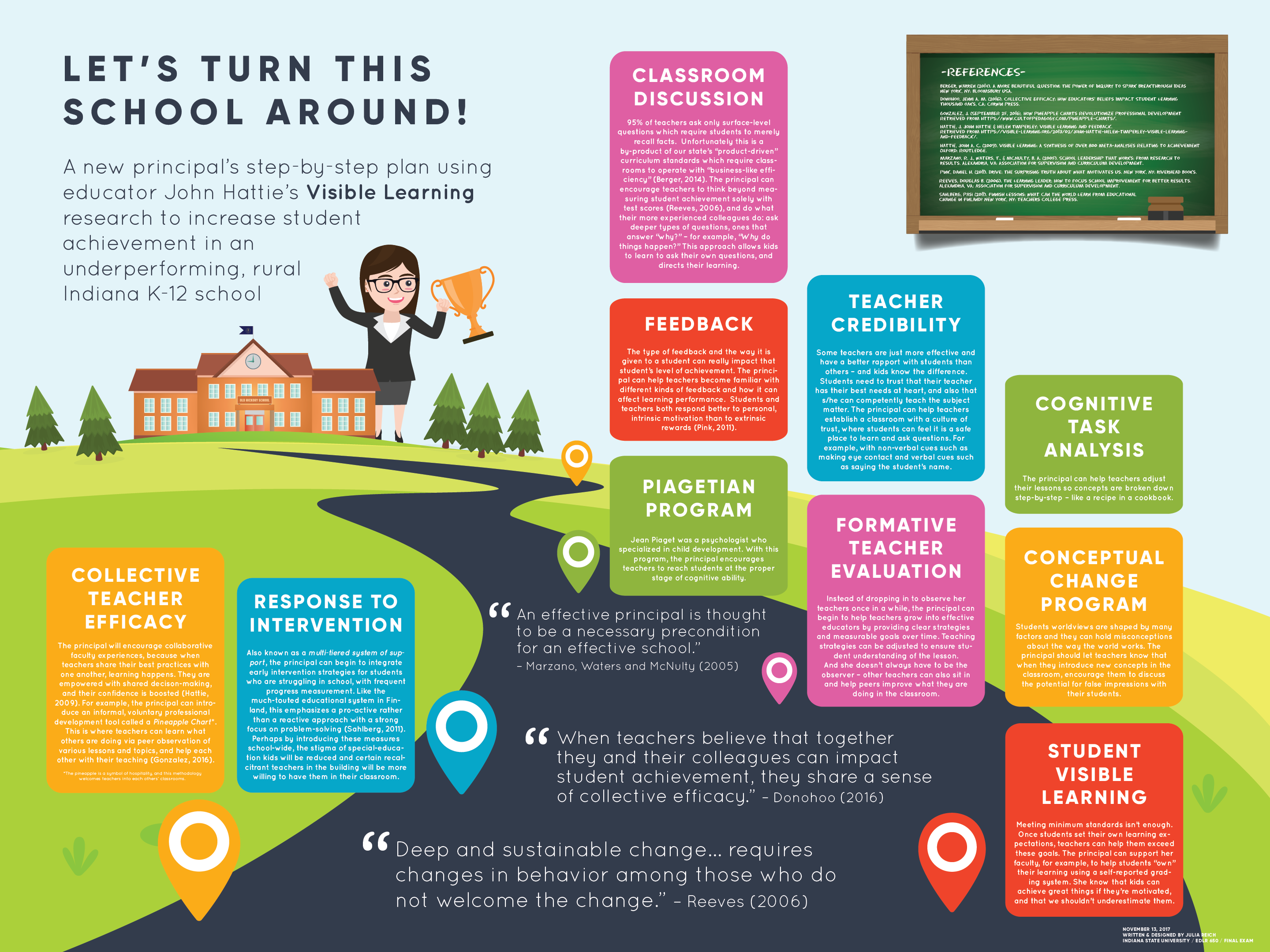
In becoming a great leader, it is always important to take advice from others. Their advice can help you to learn and grow, and it will enhance the skill set that you already have, making you a more effective leader. This article contains such advice. Read it and learn what it takes to become the best.
You may be a visionary with excellent insight into your company's market sector, but you don't know everything. Your subordinates may be in more intimate contact with part of the market as part of their job. If your marketing director says that your advertising isn't appropriate for your target audience, listen to her. She's probably right.
Allow ample opportunity for your employees to offer feedback and new ideas. Although group meetings are the ideal setting for exchange of information, some employees may not feel confident offering opinions in such a public forum. Work with employees individually as well. This will help you gain trust and get some honest feedback.
Don't just fly by the seat of your pants. Instead, pick up a book and read. Don't just read books about business leadership, either. You may find useful bits of knowledge that can be applied to your role as business leader in many different types of books, even those that tell fictional stories!
To help your employees reach goals, set monthly as well as yearly goals. These goals will help spur your employees and help them know what your expectations are. By understanding your expectations, your employees will stay on task and strive to reach the goals. Monthly goals should be easily attainable with hardwork.
While you should always be there for your team as a leader, don't forget to nurture growth in yourself. Figure out where it is that you want to grow. Do what you can to stretch yourself as much as you can. Engage and deepen your passions and strengths to make your most valuable contributions.
Keep your cool even in the craziest of situations. If your employees see you panicking, they'll think it's time to panic. If they see you exuding strength, then they'll feel confident in your ability to make the right decisions for both the company and them. Remember, perception is everything. Even if you feel the opposite, show strength and confidence.
Even if you're not a tremendous speaker, that doesn't mean you can't be a good leader. Communicating effectively can overcome lack of oratory skills. Let all your team members know what is expected of them and how they contribute to the organization. Communicate success stories and be precise when providing critical remarks.
Get to know the truly talented performers underneath you. Great employees are hard to come by, and harder to keep. Learn what their personal ambitions are in life. The more you are able to synergize their dreams with your business' goals, the longer you can retain them and their productivity.
Don't manage, lead. There's a big difference between a manager and a leader. Managers maximize productivity and work on the day to day. Leaders inspire and raise the company up with vision. It's big picture stuff. If you spend too much time managing, you'll never be able to show yourself as a leader to your company.
As a leader, it is important that you set a good example to others. It can be fun to join the workforce for picnics and other activities outside of work. This helps to form good relationships. However, think twice before Amy Alzina Santa Barbara CA join in on Friday tavern nights, poker games or other activities that could damage your leadership role. It is important to keep some things separate from the workforce.
Do not push people on your team too hard since this can result in doing the opposite of what you are trying to accomplish. Instead of giving them motivation to do more work, it may make them feel demoralized. In turn, they will lose a lot of respect for you.
Find out what motivates your employees. Using https://www.pinterest.com/AlzinaAmy of motivation will improve productivity. Remember that not all employees are motivated by the same type of incentive. Besides motivating your employees, you need to support them by standing behind them, helping them reach their business goals and helping them solve problems effectively.
Stress is bound to be a large part of any leadership role. Instead of letting stress contaminate your goals and mindset, find ways to stay positive. Many times, if there is a deadline, or other issue, that is causing undue stress, you can break it down into smaller parts. It is easier to be positive when you feel less pressure.
Recognize employees who do well. Publicly recognizing team members provides a much needed boost of confidence and will also help encourage future participation and efforts. You don't have to have a big formal award, simply acknowledging and praising your employees as part of your day can go a long way to boost morale.
If you want others to trust and respect you as a leader, you need to keep promises. You should never say you are going to do something and then do the exact opposite. If for some reason you are unable to follow through on what you promised, honestly explain why the promise could not be kept.
Take some time to interview people for jobs even if you do not currently have a position open. If you find someone who would be great in your organization, take the time to speak to them about future opportunities. This allows you to avoid having to scramble to find a new person when a position does open up, and it can reduce levels of stress during times of crisis.
Being a good leader means being clear with what you expect from your employees. They aren't mind readers, and neither are you. A good team thrives on structure which you can provide. Tell your employees what's expected of them. Be clear in your goals. Don't be vague about outcomes.
Try to simplify tasks for your employees. In today's world, it is important to complete tasks quickly in order to reach the ultimate goal of success. Take the time to simplify difficult projects by getting rid of meaningless paperwork and reports, and replace them with work that will really help your team to accomplish the important goals.
No matter how long you have been a leader, it is important to be open to learning new things. Even professionals need to practice their skills and learn new skills and techniques once in a while. Use the helpful information outlined above to help improve your skills and become a better leader.

SPOILER ALERT!
Using Motivational Speech To Aid Modification Lives
Content author-Bladt Pratt
Inspiring speeches are used all over the world for a number of reasons. One factor is to cheer up or support somebody up, especially somebody that seems to be down and out or having a low spirits. The person's life has actually been removed from them and also they need to be influenced to maintain going or come back on their feet. There are various other usages too. As an instance, you may have heard an inspirational speech provided by a motivational audio speaker at a school, church, in a meeting, or even at the workplace.
Exactly how do you create a motivational speech? It's really simple! Just make certain that you're doing it for yourself, and you'll be great. If you're delivering it to a course, use your very own voice and not your manager or teacher. You do not intend to seem like you've got no style!
What happens if you're providing an inspiring speech for your very own advantage? That's additionally quite straightforward. All you need to do is utilize your very own words and also attempt to integrate a little humor into the speech also. Don't attempt to be humorous, simply locate a way to cheer things up. Try not to be significant at all times though; you don't wish to seem robotic.
When you're writing an inspiring speech for a course, ensure that you include topics that the students are interested in. If you're showing about butterflies, consist of an explanation about exactly how there are various types of butterflies and just how that connects to pupils' discovering. For instance, you wouldn't intend to instruct the pupils concerning reptiles and snakes if you're also going to speak about the benefits of studying mathematics or art.
An additional excellent method to practice your motivational speech is to use it for yourself. That's right, you don't need to go anywhere else but right in front of your mirror. Beginning with https://timesofindia.indiatimes.com/entertainment/hindi/bollywood/news/hrithik-roshan-shares-a-motivational-speech-for-the-batch-of-2020-praises-them-for-their-phenomenal-performance-and-hard-work/articleshow/76808018.cms and also short, like taking a quick image of on your own in the mirror. Choose a picture that motivates you, something that brings out your best qualities and displays your smile. Now, sit down and list that picture. After you've listed your inspirational quote, look back over words you created and see just how they seem to make you feel.
A great deal of people will inform you that they're using quotes from books when they're really making use of an inspirational speech that they have actually created themselves. This is something that can be done easily. All you need to do is take an arbitrary publication from your collection and also open it up. Search for each of the books' inspirational quotes and also note words they claim. Once you have done this a couple of times, you'll start to get familiar with what inspires you. This is a terrific method to exercise your very own motivational speech.
The point of a motivating speech is to help inspire others. By reviewing https://www.saturdaydownsouth.com/florida-football/bradley-beal-gives-inspirational-speech-to-fire-up-aau-team-i-believe-in-yall/ quotes as well as seeing just how they make you really feel, you come to be inspired by the material. It's a comparable process to viewing a film, where the more you engage on your own into the tale, the a lot more it makes you feel that there's some real worth in what's being presented. This is among the factors that reading other people's work can be so helpful.
An inspirational speech isn't just words that you review from a book; it's additionally concerning just how you really feel when you hear them. It's about exactly how you associate with the person who's giving the speech. Reviewing other individuals's work can be helpful, however it can also be a terrific means to exercise your own brand of self-expression. Inspirational speeches are powerful devices for changing lives, as well as the much better you get at utilizing them, the even more of an effect they carry those around you. Do not undervalue them.

Inspiring speeches are used all over the world for a number of reasons. One factor is to cheer up or support somebody up, especially somebody that seems to be down and out or having a low spirits. The person's life has actually been removed from them and also they need to be influenced to maintain going or come back on their feet. There are various other usages too. As an instance, you may have heard an inspirational speech provided by a motivational audio speaker at a school, church, in a meeting, or even at the workplace.
Exactly how do you create a motivational speech? It's really simple! Just make certain that you're doing it for yourself, and you'll be great. If you're delivering it to a course, use your very own voice and not your manager or teacher. You do not intend to seem like you've got no style!
What happens if you're providing an inspiring speech for your very own advantage? That's additionally quite straightforward. All you need to do is utilize your very own words and also attempt to integrate a little humor into the speech also. Don't attempt to be humorous, simply locate a way to cheer things up. Try not to be significant at all times though; you don't wish to seem robotic.
When you're writing an inspiring speech for a course, ensure that you include topics that the students are interested in. If you're showing about butterflies, consist of an explanation about exactly how there are various types of butterflies and just how that connects to pupils' discovering. For instance, you wouldn't intend to instruct the pupils concerning reptiles and snakes if you're also going to speak about the benefits of studying mathematics or art.
An additional excellent method to practice your motivational speech is to use it for yourself. That's right, you don't need to go anywhere else but right in front of your mirror. Beginning with https://timesofindia.indiatimes.com/entertainment/hindi/bollywood/news/hrithik-roshan-shares-a-motivational-speech-for-the-batch-of-2020-praises-them-for-their-phenomenal-performance-and-hard-work/articleshow/76808018.cms and also short, like taking a quick image of on your own in the mirror. Choose a picture that motivates you, something that brings out your best qualities and displays your smile. Now, sit down and list that picture. After you've listed your inspirational quote, look back over words you created and see just how they seem to make you feel.
A great deal of people will inform you that they're using quotes from books when they're really making use of an inspirational speech that they have actually created themselves. This is something that can be done easily. All you need to do is take an arbitrary publication from your collection and also open it up. Search for each of the books' inspirational quotes and also note words they claim. Once you have done this a couple of times, you'll start to get familiar with what inspires you. This is a terrific method to exercise your very own motivational speech.
The point of a motivating speech is to help inspire others. By reviewing https://www.saturdaydownsouth.com/florida-football/bradley-beal-gives-inspirational-speech-to-fire-up-aau-team-i-believe-in-yall/ quotes as well as seeing just how they make you really feel, you come to be inspired by the material. It's a comparable process to viewing a film, where the more you engage on your own into the tale, the a lot more it makes you feel that there's some real worth in what's being presented. This is among the factors that reading other people's work can be so helpful.
An inspirational speech isn't just words that you review from a book; it's additionally concerning just how you really feel when you hear them. It's about exactly how you associate with the person who's giving the speech. Reviewing other individuals's work can be helpful, however it can also be a terrific means to exercise your own brand of self-expression. Inspirational speeches are powerful devices for changing lives, as well as the much better you get at utilizing them, the even more of an effect they carry those around you. Do not undervalue them.

SPOILER ALERT!
Making Use Of Inspiring Speech To Assist Modification Lives
Article written by-Camp Boesen
Inspirational speeches are made use of around the world for a variety of reasons. One factor is to comfort or cheer a person up, specifically a person that seems to be down and out or having a low spirits. The individual's life has been eliminated from them and also they require to be inspired to maintain going or get back on their feet. There are various other usages as well. As an instance, you could have listened to an inspirational speech offered by a motivational audio speaker at an institution, church, in a meeting, or perhaps at the office.
How do you compose an inspirational speech? It's very simple! Simply see to it that you're doing it on your own, and also you'll be great. If you're delivering it to a class, use your very own voice and also not your boss or educator. You don't wish to sound like you've got no design!
What happens if you're providing a motivational speech for your own advantage? That's also quite straightforward. All you need to do is use your very own words and attempt to include a little wit right into the speech also. please click the next document to be amusing, just locate a method to liven points up. Attempt not to be serious regularly though; you do not want to sound robotic.
When you're composing an inspirational speech for a class, ensure that you consist of topics that the pupils are interested in. If you're instructing concerning butterflies, include a description concerning how there are various kinds of butterflies and also exactly how that relates to students' discovering. As an example, you wouldn't want to teach the pupils regarding lizards and also serpents if you're also mosting likely to speak about the advantages of examining mathematics or art.
One more fantastic method to practice your inspirational speech is to utilize it on your own. That's right, you don't have to go anywhere else but right in front of your mirror. Beginning with something easy and also short, like taking a quick picture of on your own in the mirror. Select a photo that motivates you, something that draws out your ideal qualities as well as flaunts your smile. Currently, take a seat as well as write down that image. After you have actually made a note of your motivational quote, look back over the words you composed as well as see how they seem to make you really feel.
A great deal of individuals will tell you that they're making use of quotes from publications when they're really making use of an inspirational speech that they've composed themselves. This is something that can be done easily. All you need to do is take a random publication from your library and also open it up. Seek out each of guides' inspirational quotes and keep in mind the words they state. Once you have actually done this a few times, you'll begin to get accustomed to what inspires you. Read the Full Report is a great way to practice your own motivational speech.
The factor of a motivating speech is to help motivate others. By checking out other people's quotes and also seeing how they make you really feel, you come to be motivated by the product. It's a similar process to enjoying a movie, where the extra you engage on your own right into the story, the much more it makes you really feel that there's some actual worth in what's being presented. This is just one of the reasons that reading other individuals's work can be so useful.
A motivational speech isn't simply words that you read from a publication; it's also regarding how you really feel when you hear them. It has to do with exactly how you relate to the individual that's offering the speech. Reviewing other people's job can be advantageous, but it can additionally be a terrific means to practice your own brand name of self-expression. Inspirational speeches are powerful devices for transforming lives, as well as the better you access utilizing them, the even more of an impact they carry those around you. Don't undervalue them.
Inspirational speeches are made use of around the world for a variety of reasons. One factor is to comfort or cheer a person up, specifically a person that seems to be down and out or having a low spirits. The individual's life has been eliminated from them and also they require to be inspired to maintain going or get back on their feet. There are various other usages as well. As an instance, you could have listened to an inspirational speech offered by a motivational audio speaker at an institution, church, in a meeting, or perhaps at the office.
How do you compose an inspirational speech? It's very simple! Simply see to it that you're doing it on your own, and also you'll be great. If you're delivering it to a class, use your very own voice and also not your boss or educator. You don't wish to sound like you've got no design!
What happens if you're providing a motivational speech for your own advantage? That's also quite straightforward. All you need to do is use your very own words and attempt to include a little wit right into the speech also. please click the next document to be amusing, just locate a method to liven points up. Attempt not to be serious regularly though; you do not want to sound robotic.
When you're composing an inspirational speech for a class, ensure that you consist of topics that the pupils are interested in. If you're instructing concerning butterflies, include a description concerning how there are various kinds of butterflies and also exactly how that relates to students' discovering. As an example, you wouldn't want to teach the pupils regarding lizards and also serpents if you're also mosting likely to speak about the advantages of examining mathematics or art.
One more fantastic method to practice your inspirational speech is to utilize it on your own. That's right, you don't have to go anywhere else but right in front of your mirror. Beginning with something easy and also short, like taking a quick picture of on your own in the mirror. Select a photo that motivates you, something that draws out your ideal qualities as well as flaunts your smile. Currently, take a seat as well as write down that image. After you have actually made a note of your motivational quote, look back over the words you composed as well as see how they seem to make you really feel.
A great deal of individuals will tell you that they're making use of quotes from publications when they're really making use of an inspirational speech that they've composed themselves. This is something that can be done easily. All you need to do is take a random publication from your library and also open it up. Seek out each of guides' inspirational quotes and keep in mind the words they state. Once you have actually done this a few times, you'll begin to get accustomed to what inspires you. Read the Full Report is a great way to practice your own motivational speech.
The factor of a motivating speech is to help motivate others. By checking out other people's quotes and also seeing how they make you really feel, you come to be motivated by the product. It's a similar process to enjoying a movie, where the extra you engage on your own right into the story, the much more it makes you really feel that there's some actual worth in what's being presented. This is just one of the reasons that reading other individuals's work can be so useful.
A motivational speech isn't simply words that you read from a publication; it's also regarding how you really feel when you hear them. It has to do with exactly how you relate to the individual that's offering the speech. Reviewing other people's job can be advantageous, but it can additionally be a terrific means to practice your own brand name of self-expression. Inspirational speeches are powerful devices for transforming lives, as well as the better you access utilizing them, the even more of an impact they carry those around you. Don't undervalue them.

SPOILER ALERT!
Using Inspirational Speech To Aid Change Lives
Created by-Korsgaard Faulkner
Motivational speeches are used around the globe for a number of factors. One factor is to comfort or applaud somebody up, particularly a person that seems to be down and out or having a reduced morale. The person's life has actually been eliminated from them and they require to be motivated to keep going or return on their feet. There are various other uses also. As an example, you may have heard a motivational speech offered by a motivational speaker at an institution, church, in a meeting, or perhaps at the office.
Exactly how do you write an inspiring speech? It's extremely simple! Simply ensure that you're doing it for yourself, and you'll be fine. If you're providing it to a class, use your own voice and also not your employer or instructor. You don't wish to sound like you have actually obtained no style!
Suppose you're offering an inspiring speech for your own benefit? That's likewise pretty simple. All you require to do is use your very own words and attempt to integrate a little wit into the speech as well. Do not try to be humorous, simply locate a means to cheer things up. Attempt not to be major regularly though; you don't wish to appear robot.
When you're writing an inspirational speech for a class, ensure that you include topics that the trainees want. If you're instructing about butterflies, include an explanation regarding exactly how there are different types of butterflies and just how that associates with students' discovering. As an example, you would not wish to teach the trainees regarding lizards and snakes if you're additionally going to speak about the benefits of studying math or art.
One more great method to exercise your motivational speech is to use it on your own. That's right, you don't need to go anywhere else however right in front of your mirror. Begin with something very easy and brief, like taking a quick picture of on your own in the mirror. Pick a photo that motivates you, something that highlights your best characteristics and also shows off your smile. Now, sit down and also list that image. After you have actually written down your inspirational quote, look back over the words you created and also see exactly how they seem to make you really feel.
A great deal of individuals will certainly inform you that they're making use of quotes from publications when they're in fact using an inspirational speech that they've created themselves. This is something that can be done conveniently. All you have to do is take a random publication from your library and also open it up. Seek out each of guides' motivational quotes and also note the words they claim. Once you have done this a few times, you'll start to obtain familiar with what influences you. This is a great method to practice your very own motivational speech.
The factor of a motivating speech is to assist influence others. By reading other people's quotes as well as seeing just how they make you really feel, you end up being influenced by the product. https://www.bustle.com/articles/99030-trainers-fat-shaming-motivational-speech-just-opened-a-huge-debate-on-the-internet-about-body-positivity 's a similar procedure to watching a flick, where the more you immerse yourself into the tale, the much more it makes you really feel that there's some genuine value in what's being presented. This is among the factors that reading other people's job can be so beneficial.
An inspirational speech isn't simply words that you review from a publication; it's also about exactly how you feel when you hear them. It's about how you associate with the individual that's providing the speech. Reading read what he said can be valuable, yet it can also be an excellent way to exercise your own brand name of self-expression. Inspiring speeches are powerful devices for changing lives, and also the much better you access using them, the more of an effect they have on those around you. Don't ignore them.
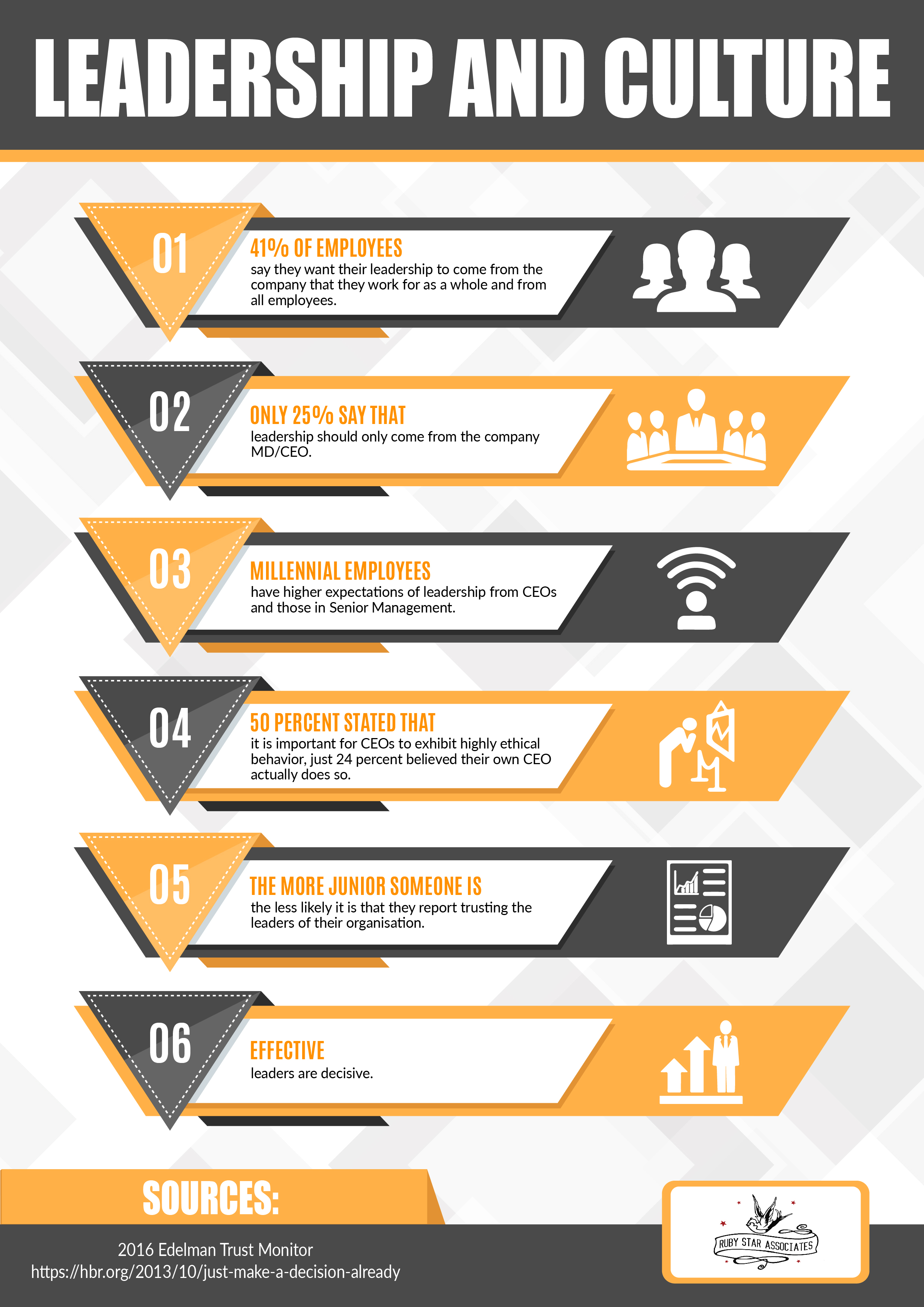
Motivational speeches are used around the globe for a number of factors. One factor is to comfort or applaud somebody up, particularly a person that seems to be down and out or having a reduced morale. The person's life has actually been eliminated from them and they require to be motivated to keep going or return on their feet. There are various other uses also. As an example, you may have heard a motivational speech offered by a motivational speaker at an institution, church, in a meeting, or perhaps at the office.
Exactly how do you write an inspiring speech? It's extremely simple! Simply ensure that you're doing it for yourself, and you'll be fine. If you're providing it to a class, use your own voice and also not your employer or instructor. You don't wish to sound like you have actually obtained no style!
Suppose you're offering an inspiring speech for your own benefit? That's likewise pretty simple. All you require to do is use your very own words and attempt to integrate a little wit into the speech as well. Do not try to be humorous, simply locate a means to cheer things up. Attempt not to be major regularly though; you don't wish to appear robot.
When you're writing an inspirational speech for a class, ensure that you include topics that the trainees want. If you're instructing about butterflies, include an explanation regarding exactly how there are different types of butterflies and just how that associates with students' discovering. As an example, you would not wish to teach the trainees regarding lizards and snakes if you're additionally going to speak about the benefits of studying math or art.
One more great method to exercise your motivational speech is to use it on your own. That's right, you don't need to go anywhere else however right in front of your mirror. Begin with something very easy and brief, like taking a quick picture of on your own in the mirror. Pick a photo that motivates you, something that highlights your best characteristics and also shows off your smile. Now, sit down and also list that image. After you have actually written down your inspirational quote, look back over the words you created and also see exactly how they seem to make you really feel.
A great deal of individuals will certainly inform you that they're making use of quotes from publications when they're in fact using an inspirational speech that they've created themselves. This is something that can be done conveniently. All you have to do is take a random publication from your library and also open it up. Seek out each of guides' motivational quotes and also note the words they claim. Once you have done this a few times, you'll start to obtain familiar with what influences you. This is a great method to practice your very own motivational speech.
The factor of a motivating speech is to assist influence others. By reading other people's quotes as well as seeing just how they make you really feel, you end up being influenced by the product. https://www.bustle.com/articles/99030-trainers-fat-shaming-motivational-speech-just-opened-a-huge-debate-on-the-internet-about-body-positivity 's a similar procedure to watching a flick, where the more you immerse yourself into the tale, the much more it makes you really feel that there's some genuine value in what's being presented. This is among the factors that reading other people's job can be so beneficial.
An inspirational speech isn't simply words that you review from a publication; it's also about exactly how you feel when you hear them. It's about how you associate with the individual that's providing the speech. Reading read what he said can be valuable, yet it can also be an excellent way to exercise your own brand name of self-expression. Inspiring speeches are powerful devices for changing lives, and also the much better you access using them, the more of an effect they have on those around you. Don't ignore them.

SPOILER ALERT!
What Do We Like Concerning Podcasts For Motivation And Also Mentoring?
Content by-Whittaker Hanley
Motivational podcasts aren't simply freely readily available as well as complimentary, they're likewise genuinely encouraging and uplifting. They can reorient you to your purpose in life as well as advise that each and every single one of us is right here to make a distinction. As well as indeed, sometimes, just needing that added viewpoint, and a few valuable tips, can make individuals that previously really felt helpless unexpectedly really feel unstoppable. Here's just how a Motivational Podcast can make that happen.
Generally moved here or monthly subscription is required to obtain the complete advantages of paying attention to a great, quality inspirational podcast. As well as there are numerous genres for the audience to pick from. From organization and also personal habits to sports as well as spirituality, there are as many categories as there are listeners! An excellent, trustworthy site will not only give info concerning the podcast itself, yet likewise the topics it covers, and the authors that have actually produced it. https://mgyb.co/s/qRWYY 's a good idea to get to know some of the much more prolific and reputable voices in the field as well.
The primary reason that most people pay attention to a Motivational Podcast is due to the fact that they intend to learn through somebody who has undergone the same challenges and also achieved success. Inspirational books are developed to assist people conquer their biggest concerns as well as let them recognize that they don't need to give up in their mission to achieve their goals. Nevertheless, along with helping those who have already come over tough times, a top quality podcast can offer guidance to those starting out who need some additional inspiration. For instance, if a listener comes across an in-depth conversation concerning developing a company from house, they can listen to a mind podcast on the same subject to trigger their very own motivational drive.
A great Motivational Podcast can instruct the audiences useful lessons and ideas. They must not simply be concentrated on an one-time experience that might not put on their life. The Motivational Publication podcast collection by Zig Ziglar is an excellent instance of just how an inspirational podcast can go across boundaries and touch individuals outside their normal convenience zone. An audience can conveniently associate with the principles Ziglar reviews in his publication. As an example, one of the methods Ziglar motivates people to get motivated involves setting everyday goals and following up with them daily.
An excellent Motivational Podcast can also provide comprehensive info concerning psychology, motivation, routines, and various other areas that belong to attaining your dreams. You can learn about how to get self-confidence, how to grow brand-new abilities, as well as various other techniques that can aid you reach your objectives. The comprehensive element of the podcast allows it to end up being a thorough study of the topic. For that reason, a listener is not left feeling "under the gun" after listening to a thorough discussion of a specific topic.
It's obvious that your brain grows when you are experiencing a sense of incentive. A good Motivational Podcast can provide you with the incentive you need while you make every effort to accomplish your goals. Nonetheless, not all podcasts offer you with the very same sort of inspiration. You need to find a podcast that supplies the appropriate kind of motivation for you. There are a few attributes that most premier podcasts have in common:
* They offer in-depth info that you can sink your teeth into. Most of the time, you won't have time to take in every little thing that a podcast can educate you. You want fast pointers that will certainly help you act. This is where a good life project podcast is available in. They give you with the ideas and also techniques that are most relevant to you as soon as possible. Whether you are wanting to drop weight, develop confidence, come to be much more financially stable, or improve a partnership, you should be able to find an excellent quality podcast that can give you the answers you look for.
* listeners take pleasure in the discussions. We paid attention to a Motivational Podcast on confidence and also mindset. The hosts were interesting, amusing, and had wonderful conversations with the listeners. This is what we such as most around paying attention to a Motivational Podcast. When you listen to a good life project podcast, you feel as if you belong to the conversation and also the subject is at a passion degree that keeps you wishing to listen to more.

Motivational podcasts aren't simply freely readily available as well as complimentary, they're likewise genuinely encouraging and uplifting. They can reorient you to your purpose in life as well as advise that each and every single one of us is right here to make a distinction. As well as indeed, sometimes, just needing that added viewpoint, and a few valuable tips, can make individuals that previously really felt helpless unexpectedly really feel unstoppable. Here's just how a Motivational Podcast can make that happen.
Generally moved here or monthly subscription is required to obtain the complete advantages of paying attention to a great, quality inspirational podcast. As well as there are numerous genres for the audience to pick from. From organization and also personal habits to sports as well as spirituality, there are as many categories as there are listeners! An excellent, trustworthy site will not only give info concerning the podcast itself, yet likewise the topics it covers, and the authors that have actually produced it. https://mgyb.co/s/qRWYY 's a good idea to get to know some of the much more prolific and reputable voices in the field as well.
The primary reason that most people pay attention to a Motivational Podcast is due to the fact that they intend to learn through somebody who has undergone the same challenges and also achieved success. Inspirational books are developed to assist people conquer their biggest concerns as well as let them recognize that they don't need to give up in their mission to achieve their goals. Nevertheless, along with helping those who have already come over tough times, a top quality podcast can offer guidance to those starting out who need some additional inspiration. For instance, if a listener comes across an in-depth conversation concerning developing a company from house, they can listen to a mind podcast on the same subject to trigger their very own motivational drive.
A great Motivational Podcast can instruct the audiences useful lessons and ideas. They must not simply be concentrated on an one-time experience that might not put on their life. The Motivational Publication podcast collection by Zig Ziglar is an excellent instance of just how an inspirational podcast can go across boundaries and touch individuals outside their normal convenience zone. An audience can conveniently associate with the principles Ziglar reviews in his publication. As an example, one of the methods Ziglar motivates people to get motivated involves setting everyday goals and following up with them daily.
An excellent Motivational Podcast can also provide comprehensive info concerning psychology, motivation, routines, and various other areas that belong to attaining your dreams. You can learn about how to get self-confidence, how to grow brand-new abilities, as well as various other techniques that can aid you reach your objectives. The comprehensive element of the podcast allows it to end up being a thorough study of the topic. For that reason, a listener is not left feeling "under the gun" after listening to a thorough discussion of a specific topic.
It's obvious that your brain grows when you are experiencing a sense of incentive. A good Motivational Podcast can provide you with the incentive you need while you make every effort to accomplish your goals. Nonetheless, not all podcasts offer you with the very same sort of inspiration. You need to find a podcast that supplies the appropriate kind of motivation for you. There are a few attributes that most premier podcasts have in common:
* They offer in-depth info that you can sink your teeth into. Most of the time, you won't have time to take in every little thing that a podcast can educate you. You want fast pointers that will certainly help you act. This is where a good life project podcast is available in. They give you with the ideas and also techniques that are most relevant to you as soon as possible. Whether you are wanting to drop weight, develop confidence, come to be much more financially stable, or improve a partnership, you should be able to find an excellent quality podcast that can give you the answers you look for.
* listeners take pleasure in the discussions. We paid attention to a Motivational Podcast on confidence and also mindset. The hosts were interesting, amusing, and had wonderful conversations with the listeners. This is what we such as most around paying attention to a Motivational Podcast. When you listen to a good life project podcast, you feel as if you belong to the conversation and also the subject is at a passion degree that keeps you wishing to listen to more.

SPOILER ALERT!
A Personal Review Of Motivational Podcasts
Content writer-Li Huynh
The purpose of this article is to give a quick review of the advantages related to producing your initial Motivational Podcast. If https://twitter.com/_thelyonshow are aiming to make your service more interesting, cutting-edge as well as encouraging than a podcast can definitely offer a platform for you. An inspirational podcast is a motivational or self help podcast that concentrates on motivating listeners to seek their goals or dreams and sharing favorable individual tales. For this post we will certainly be discovering several of the vital benefits connected with creating your extremely own online or offline podcast.
Think of this for a moment ... if you are feeling unmotivated and merely do not feel like going with a run or a jog then why would you listen to a podcast concerning getting rid of weight problems? If you listen to this kind of inspirational or mind podcast you will be inadvertently offering the gas for your own inspiration. It's basic truly, when you pay attention to a motivating podcast you become motivated by what is being stated, instead of when you are just listening to songs or tv. You begin to consider on your own as well as exactly how you can accomplish things. This procedure of internal reflection brings about much success in life.
When creating your extremely own podcast, you should intend to offer the very best motivational podcasts available online today. In order to do this you need to do your research study, listen to great deals of podcasts, and also take whatever right into factor to consider. Your podcast needs to concentrate on the locations that you feel are lacking in your life or occupation. By focusing on the positive and also supplying motivation via a story you are unconsciously supplying the gas for your own inspiration. In addition, your podcast must likewise highlight stories of other individuals who have successfully gotten rid of and achieved their goals.
There are several web sites that offer you with the sources to videotape your very own motivational podcast. Among the most prominent sites is "Ferriss". A pay attention to a Ferriss podcast can truly alter the means you view your own life and help you obtain a new feeling of objective and direction.
A great deal of the episodes of "Ferriss" function meetings with widely known experts from around the globe. Throughout these meetings the hosts, Michael and also Lindsay, talk with some of the greatest names in sports and amusement. They talk about a large range of subjects ranging from just how to be more effective, exactly how to boost confidence, exactly how to improve at your pastimes, as well as even how to boost your body immune system. The hosts likewise speak about a number of fascinating topics such as why it is very important to eat right, just how to get a bigger penis, and also how to get a high degree of focus. There are also episodes offered which go into depth on how to begin an on the internet business.
If the topics that are covered in a Ferriss podcast are fascinating and tempting, the listeners will certainly more than likely locate them to be really helpful. Individuals pay attention to these podcasts due to the fact that they want getting a total feeling of knowledge. Each episode has a really brief introduction and also there are no boring stories informed over again. Each episode is jam-packed filled with intriguing information pertaining to a particular subject, and also the hosts seldom go on about their very own point of views. Rather, the intro introduces a new principle and then rapidly discusses exactly how it relates to the audiences that will certainly adhere to. As a result of this, the audiences will certainly feel that the material is relevant and also informative, as well as this can inevitably aid you to boost your very own self self-confidence degrees.
One of the major reasons individuals listen to these podcasts is due to the fact that they provide a new resource of motivation. Even if you are having a hard time to find out what to do in life, you will likely be influenced to act when you pay attention to these kinds of inspirational podcasts. You will certainly be able to find out more regarding yourself, and also identify what you can do to take your life to the next degree. If you struggle to locate inspiration throughout your day, listening to these podcasts can be a wonderful means for you to stay motivated throughout the day. They give an unique electrical outlet whereby you can assist yourself remain motivated as well as on course with your objectives.
If you are having some problems getting started on a good life project, you must absolutely consider listening to among these podcasts. If you are aiming to get a far better understanding of on your own, and also figure out just how to live the very best life feasible, you need to absolutely look into what the hosts need to claim regarding their backgrounds as well as what they have actually done so far. It is easy to obtain prevented and shed energy, yet if you are listening to a daily motivational podcast, you will find that it can assist lift your spirits. If you like to know even more concerning the life of a specialist incentive, you need to absolutely listen to these brief recaps to give them an excellent ranking.
 https://gritdaily.com/monday-motivation-finding-peace-covid-19/ .com/i/1000x1000/06/90/leadership-infographic-10-steps-concept-vector-26990690.jpg' width='533' border='0'>
The purpose of this article is to give a quick review of the advantages related to producing your initial Motivational Podcast. If https://twitter.com/_thelyonshow are aiming to make your service more interesting, cutting-edge as well as encouraging than a podcast can definitely offer a platform for you. An inspirational podcast is a motivational or self help podcast that concentrates on motivating listeners to seek their goals or dreams and sharing favorable individual tales. For this post we will certainly be discovering several of the vital benefits connected with creating your extremely own online or offline podcast.
Think of this for a moment ... if you are feeling unmotivated and merely do not feel like going with a run or a jog then why would you listen to a podcast concerning getting rid of weight problems? If you listen to this kind of inspirational or mind podcast you will be inadvertently offering the gas for your own inspiration. It's basic truly, when you pay attention to a motivating podcast you become motivated by what is being stated, instead of when you are just listening to songs or tv. You begin to consider on your own as well as exactly how you can accomplish things. This procedure of internal reflection brings about much success in life.
When creating your extremely own podcast, you should intend to offer the very best motivational podcasts available online today. In order to do this you need to do your research study, listen to great deals of podcasts, and also take whatever right into factor to consider. Your podcast needs to concentrate on the locations that you feel are lacking in your life or occupation. By focusing on the positive and also supplying motivation via a story you are unconsciously supplying the gas for your own inspiration. In addition, your podcast must likewise highlight stories of other individuals who have successfully gotten rid of and achieved their goals.
There are several web sites that offer you with the sources to videotape your very own motivational podcast. Among the most prominent sites is "Ferriss". A pay attention to a Ferriss podcast can truly alter the means you view your own life and help you obtain a new feeling of objective and direction.
A great deal of the episodes of "Ferriss" function meetings with widely known experts from around the globe. Throughout these meetings the hosts, Michael and also Lindsay, talk with some of the greatest names in sports and amusement. They talk about a large range of subjects ranging from just how to be more effective, exactly how to boost confidence, exactly how to improve at your pastimes, as well as even how to boost your body immune system. The hosts likewise speak about a number of fascinating topics such as why it is very important to eat right, just how to get a bigger penis, and also how to get a high degree of focus. There are also episodes offered which go into depth on how to begin an on the internet business.
If the topics that are covered in a Ferriss podcast are fascinating and tempting, the listeners will certainly more than likely locate them to be really helpful. Individuals pay attention to these podcasts due to the fact that they want getting a total feeling of knowledge. Each episode has a really brief introduction and also there are no boring stories informed over again. Each episode is jam-packed filled with intriguing information pertaining to a particular subject, and also the hosts seldom go on about their very own point of views. Rather, the intro introduces a new principle and then rapidly discusses exactly how it relates to the audiences that will certainly adhere to. As a result of this, the audiences will certainly feel that the material is relevant and also informative, as well as this can inevitably aid you to boost your very own self self-confidence degrees.
One of the major reasons individuals listen to these podcasts is due to the fact that they provide a new resource of motivation. Even if you are having a hard time to find out what to do in life, you will likely be influenced to act when you pay attention to these kinds of inspirational podcasts. You will certainly be able to find out more regarding yourself, and also identify what you can do to take your life to the next degree. If you struggle to locate inspiration throughout your day, listening to these podcasts can be a wonderful means for you to stay motivated throughout the day. They give an unique electrical outlet whereby you can assist yourself remain motivated as well as on course with your objectives.
If you are having some problems getting started on a good life project, you must absolutely consider listening to among these podcasts. If you are aiming to get a far better understanding of on your own, and also figure out just how to live the very best life feasible, you need to absolutely look into what the hosts need to claim regarding their backgrounds as well as what they have actually done so far. It is easy to obtain prevented and shed energy, yet if you are listening to a daily motivational podcast, you will find that it can assist lift your spirits. If you like to know even more concerning the life of a specialist incentive, you need to absolutely listen to these brief recaps to give them an excellent ranking.

SPOILER ALERT!
Have Service Management Questions? Get The Answer Here
Content written by-Andersson Dejesus
Leadership may seem like something innate within certain gifted individuals, and which cannot be manufactured or duplicated. However, there are particular traits and qualities possessed by strong leaders that really can be learned and emulated to great result. Review the tips found below and you can learn how to take the lead and achieve business success starting today.
Make sure that you let everyone know what the team's vision is. Your mission is a great compass into the future, and you should know your company values by heart so that you can integrate them into your daily actions. Communicate the whole picture while helping others see their part in big ideas. It's a fantastic way to give people direction and build up a relationship with them too.
When working to improve in the area of leadership, it is vital that you develop competency. People need to trust that you know what you are doing in order to feel confident in your leadership ability. Instill confidence in those who follow you by finding a mentor to help you become truly proficient in what you do.
When you're a business leader, you should try to treat your team or staff in the way that you'd like to be treated. Looking down on people isn't right and doesn't promote a good work atmosphere. If you treat you show your staff respect, they will return the favor which can make your life much easier.
Know your competition just as well as you know your own company. Business isn't just about what's happening between the walls in your space. You need to make decisions based off competitive movement. If you can't make decisions because you don't know the competition, then expect your employees to see it as a weakness in leadership.
Stick with your goal. One way that leaders tend to fail is that they "switch sides" when things get tough. Try to stick with the goals you've established, and do what you can to stay on one path until completion. You may have to eventually change paths, but do so carefully and avoid doing it too much. Constantly changes paths can make you appear confused and undetermined to others.
Learn to listen to your team. Giving orders is just a small part of being a leader. Learning to listen is a key to being an effective leader. Listen to your team members' suggestions or concerns. Your team is more likely to feel respected and return the favor when you listen to what they have to say.
Learn to listen to your team. Giving orders is just a small part of being a leader. Learning to listen is a key to being an effective leader. Listen to your team members' suggestions or concerns. Your team is more likely to feel respected and return the favor when you listen to what they have to say.
If you are new to a leadership role in your workplace, you may have questions, or concerns about your new responsibilities. Think about enlisting the help of a coach, or mentor, with whom you can communicate openly about leadership issues and concerns. It really helps to have a neutral person to give you support in your important, new role.
Listen more than you talk. Leaders know that leadership starts with listening to subordinates. Listen to the things your employees are saying to you. Listen to complaints as well as accolades. Use what you are told to learn about your business. You will be shocked at what you learn by listening.
If you wish to lead others effectively, you have to know what your weaknesses and strengths are. You're setting yourself up for failure if you're too overconfident. Stick to building your skills and working towards your goals.
If a subordinate makes a mistake, use it as an opportunity to teach rather than to criticize. Discussing what happened with the entire team may lead to some great ideas for preventing such a thing from happening again.
https://ifunny.co/picture/ripped-straight-from-milo-s-instagram-mr-mark-lutchman-is-aDY2UC7f5 believe in those they are leading. Surround yourself with talented people and then inspire them to greatness by believing in their ability to reach their full potential. When you expect the best of someone, they will typically go out of their way to live up to that expectation.
Make sure each of your employees feels like an integral part of your organization. When dealing with specific problems, discuss them with employees who may have good insights or suggestions for finding a solution. Employees who feel that they are important within the company and may be able to affect change are more likely to perform well.
Remain focused, consistent and humble when working with others. Staying focused on your vision helps keep your motivation high. Be consistent in your actions and in your words, especially when dealing with employees. Consistency will earn you respect because everyone will know what is expected of them. Being humble makes you more approachable and opens the lines of communication with your employees.
Learn the difference between a good leader and a transformational leader. As a good leader, you are successful in your efforts to coordinate and direct others. As a transformational leader, you coordinate and direct others in ways that are capable of bringing about significant changes in the organization. The effects of good leadership are short-term, whereas transformational leadership is strategic in the long run.
Make sure that you are approachable. Spend time with your employees. Let them come to you with their concerns. If you have a busy schedule, try and find an hour or two when you can handle interruptions. Make sure your employees know that they should feel comfortable approaching you with any concerns or questions during these hours.
Always finish the job at hand. It never makes sense to leave a bunch of projects half finished, and it does not benefit your organization. Show Mark Lutchman net worth that you are capable of completing a task, and spread this message to your clients too. This will help you to earn respect, and it will make it easier to move on to the next task when your mind is clear of the first one.
Maintain your own work life balance. Even as a leader, you need to have outside interests, time for family and time for yourself. Make this a priority in order to reduce your personal stress level and give yourself a break from the daily grind. This will help you to stay focused when you are at work, making you a better leader.
Leadership is not only something each person is born with but skills that must be attained and skills that must be honed. You don't want to ever think that you have it all down. Instead, practice what has been given to you, and always look for other things that can help you.
Leadership may seem like something innate within certain gifted individuals, and which cannot be manufactured or duplicated. However, there are particular traits and qualities possessed by strong leaders that really can be learned and emulated to great result. Review the tips found below and you can learn how to take the lead and achieve business success starting today.
Make sure that you let everyone know what the team's vision is. Your mission is a great compass into the future, and you should know your company values by heart so that you can integrate them into your daily actions. Communicate the whole picture while helping others see their part in big ideas. It's a fantastic way to give people direction and build up a relationship with them too.
When working to improve in the area of leadership, it is vital that you develop competency. People need to trust that you know what you are doing in order to feel confident in your leadership ability. Instill confidence in those who follow you by finding a mentor to help you become truly proficient in what you do.
When you're a business leader, you should try to treat your team or staff in the way that you'd like to be treated. Looking down on people isn't right and doesn't promote a good work atmosphere. If you treat you show your staff respect, they will return the favor which can make your life much easier.
Know your competition just as well as you know your own company. Business isn't just about what's happening between the walls in your space. You need to make decisions based off competitive movement. If you can't make decisions because you don't know the competition, then expect your employees to see it as a weakness in leadership.
Stick with your goal. One way that leaders tend to fail is that they "switch sides" when things get tough. Try to stick with the goals you've established, and do what you can to stay on one path until completion. You may have to eventually change paths, but do so carefully and avoid doing it too much. Constantly changes paths can make you appear confused and undetermined to others.
Learn to listen to your team. Giving orders is just a small part of being a leader. Learning to listen is a key to being an effective leader. Listen to your team members' suggestions or concerns. Your team is more likely to feel respected and return the favor when you listen to what they have to say.
Learn to listen to your team. Giving orders is just a small part of being a leader. Learning to listen is a key to being an effective leader. Listen to your team members' suggestions or concerns. Your team is more likely to feel respected and return the favor when you listen to what they have to say.
If you are new to a leadership role in your workplace, you may have questions, or concerns about your new responsibilities. Think about enlisting the help of a coach, or mentor, with whom you can communicate openly about leadership issues and concerns. It really helps to have a neutral person to give you support in your important, new role.
Listen more than you talk. Leaders know that leadership starts with listening to subordinates. Listen to the things your employees are saying to you. Listen to complaints as well as accolades. Use what you are told to learn about your business. You will be shocked at what you learn by listening.
If you wish to lead others effectively, you have to know what your weaknesses and strengths are. You're setting yourself up for failure if you're too overconfident. Stick to building your skills and working towards your goals.
If a subordinate makes a mistake, use it as an opportunity to teach rather than to criticize. Discussing what happened with the entire team may lead to some great ideas for preventing such a thing from happening again.
https://ifunny.co/picture/ripped-straight-from-milo-s-instagram-mr-mark-lutchman-is-aDY2UC7f5 believe in those they are leading. Surround yourself with talented people and then inspire them to greatness by believing in their ability to reach their full potential. When you expect the best of someone, they will typically go out of their way to live up to that expectation.
Make sure each of your employees feels like an integral part of your organization. When dealing with specific problems, discuss them with employees who may have good insights or suggestions for finding a solution. Employees who feel that they are important within the company and may be able to affect change are more likely to perform well.
Remain focused, consistent and humble when working with others. Staying focused on your vision helps keep your motivation high. Be consistent in your actions and in your words, especially when dealing with employees. Consistency will earn you respect because everyone will know what is expected of them. Being humble makes you more approachable and opens the lines of communication with your employees.
Learn the difference between a good leader and a transformational leader. As a good leader, you are successful in your efforts to coordinate and direct others. As a transformational leader, you coordinate and direct others in ways that are capable of bringing about significant changes in the organization. The effects of good leadership are short-term, whereas transformational leadership is strategic in the long run.
Make sure that you are approachable. Spend time with your employees. Let them come to you with their concerns. If you have a busy schedule, try and find an hour or two when you can handle interruptions. Make sure your employees know that they should feel comfortable approaching you with any concerns or questions during these hours.
Always finish the job at hand. It never makes sense to leave a bunch of projects half finished, and it does not benefit your organization. Show Mark Lutchman net worth that you are capable of completing a task, and spread this message to your clients too. This will help you to earn respect, and it will make it easier to move on to the next task when your mind is clear of the first one.
Maintain your own work life balance. Even as a leader, you need to have outside interests, time for family and time for yourself. Make this a priority in order to reduce your personal stress level and give yourself a break from the daily grind. This will help you to stay focused when you are at work, making you a better leader.
Leadership is not only something each person is born with but skills that must be attained and skills that must be honed. You don't want to ever think that you have it all down. Instead, practice what has been given to you, and always look for other things that can help you.

SPOILER ALERT!
Enter Control Of Your Life With These Top Leadership Tips
Authored by-Shapiro Molloy
There have been many great leaders in this world. There are all different types of leaders as well. So, how can you envision yourself being more of a leader in life? Continue reading this article for some great advice concerning learning how to be a leader so that you excel in life.
An effective leader is able to inspire creativity. Thinking creatively helps goals and businesses to succeed. Appreciate curiosity and recognize possibilities. You should believe in new ideas, even if they don't appear to fit right now. Help others develop their ideas, too.
Always remember that a great leader builds up and does not need to tear down. Do not be overly critical of those on your team. Be quick to give commendation, praise and recognition. Even when people fail, commend the effort and inspire them to get up and try again to succeed.
Being decisive is a good method in boosting leadership ability. When you are a leader, you will have to make decisions. If your employees have differing opinions about how something should be done, consider using their ideas if it will benefit the team as a whole.
When you're a business leader, you should be stern but understanding. Make sure that the people working for you understand what you expect out of them. If they don't meet your expectations immediately, give them a chance to catch on. Everyone has a different learning curve, and the people that may seem slow to catch on could become your greatest workers.
Even if you're not a tremendous speaker, that doesn't mean you can't be a good leader. Communicating effectively can overcome lack of oratory skills. Let all your team members know what is expected of them and how they contribute to the organization. https://en.gravatar.com/realmarklutchman and be precise when providing critical remarks.
Leaders aren't afraid to ask questions. If they don't know something, they ask. Follow their example and don't try to pretend that you know everything. It will reflect badly on you when the truth comes out. Gather all the relevant information so that can you make an accurate decision.
You should schedule some time every day to go over just how well things are running at work. It is a good idea to bring team members in for input. Be open to suggestions, discuss changes that should be made and work on fostering relationships.
You may be a leader, or manager, but you are a human first. We all make mistakes from time to time. If you find that you have made a mistake, do not try to hide it, hoping no one will find out. You will attain a new level of respect by admitting your mistakes to your team, asking for their input and even apologizing for a mistake.
Do not push people on your team too hard since this can result in doing the opposite of what you are trying to accomplish. Instead of giving them motivation to do more work, it may make them feel demoralized. In turn, they will lose a lot of respect for you.
Have a vision. Planning for the future is important. Things might be great now, but will it still be a year from now? What about ten years from now? Try to keep abreast of any change that might be relevant to your business. Shape your plans and your vision accordingly.
As a leader, part of your job is to be there for your team, or workforce. Always encourage https://www.kptv.com/new-ceo-named-for-boys-girls-clubs-of-portland-metropolitan-area/article_e65aa2f6-e657-11ea-a99c-07f82f9d0a05.html to explore new options and challenges. Help them to identify their weaknesses, strengths and work style. Then, If you let them, each individual person can help to increase the growth of the company.
Find out what motivates your employees. Using the right type of motivation will improve productivity. Remember that not all employees are motivated by the same type of incentive. Besides motivating your employees, you need to support them by standing behind them, helping them reach their business goals and helping them solve problems effectively.
If you are in a leadership, or management role, at work, remember that your entrance sets the tone of the day. If a grumpy boss comes in, the team will be on edge, and fearful of aggravating the boss. On the other hand, if you leave your troubles at the door, and walk in with a smile, everyone's day, including yours, will be positive and more productive.
Leadership means that you never stop learning. Take the time to advance your listening and speaking skills on a regular basis, and never shy away from a course on leadership. They are available online, at local community colleges and through many businesses. These classes will enhance your skill set, helping to make you a more effective leader.
Your role as a leader should not include treating team members, or employees, like children. You are dealing with adults who have adult lives outside of work, just like yourself. Treating them as peers whom you trust and value, is a great motivational tool that every leader should use.
Make sure that you are approachable. Spend time with your employees. Let them come to you with their concerns. If you have a busy schedule, try and find an hour or two when you can handle interruptions. Make sure your employees know that they should feel comfortable approaching you with any concerns or questions during these hours.
An effective leader is one who speaks and acts with authenticity. Authenticity goes beyond truthfulness. To act with authenticity is to lead with both your heart and your head. Not only do you state the truth, but you also act in accordance with the words you've spoken. This demonstrates integrity and dedication to ethical, effective leadership.
Just because you think you are leader does not mean that people will follow you. In order to be a good leader and have good leadership skills, you must be able to make people understand what you want them to do. The information you just learned about gave you good ideas that will help get people to follow your lead.

There have been many great leaders in this world. There are all different types of leaders as well. So, how can you envision yourself being more of a leader in life? Continue reading this article for some great advice concerning learning how to be a leader so that you excel in life.
An effective leader is able to inspire creativity. Thinking creatively helps goals and businesses to succeed. Appreciate curiosity and recognize possibilities. You should believe in new ideas, even if they don't appear to fit right now. Help others develop their ideas, too.
Always remember that a great leader builds up and does not need to tear down. Do not be overly critical of those on your team. Be quick to give commendation, praise and recognition. Even when people fail, commend the effort and inspire them to get up and try again to succeed.
Being decisive is a good method in boosting leadership ability. When you are a leader, you will have to make decisions. If your employees have differing opinions about how something should be done, consider using their ideas if it will benefit the team as a whole.
When you're a business leader, you should be stern but understanding. Make sure that the people working for you understand what you expect out of them. If they don't meet your expectations immediately, give them a chance to catch on. Everyone has a different learning curve, and the people that may seem slow to catch on could become your greatest workers.
Even if you're not a tremendous speaker, that doesn't mean you can't be a good leader. Communicating effectively can overcome lack of oratory skills. Let all your team members know what is expected of them and how they contribute to the organization. https://en.gravatar.com/realmarklutchman and be precise when providing critical remarks.
Leaders aren't afraid to ask questions. If they don't know something, they ask. Follow their example and don't try to pretend that you know everything. It will reflect badly on you when the truth comes out. Gather all the relevant information so that can you make an accurate decision.
You should schedule some time every day to go over just how well things are running at work. It is a good idea to bring team members in for input. Be open to suggestions, discuss changes that should be made and work on fostering relationships.
You may be a leader, or manager, but you are a human first. We all make mistakes from time to time. If you find that you have made a mistake, do not try to hide it, hoping no one will find out. You will attain a new level of respect by admitting your mistakes to your team, asking for their input and even apologizing for a mistake.
Do not push people on your team too hard since this can result in doing the opposite of what you are trying to accomplish. Instead of giving them motivation to do more work, it may make them feel demoralized. In turn, they will lose a lot of respect for you.
Have a vision. Planning for the future is important. Things might be great now, but will it still be a year from now? What about ten years from now? Try to keep abreast of any change that might be relevant to your business. Shape your plans and your vision accordingly.
As a leader, part of your job is to be there for your team, or workforce. Always encourage https://www.kptv.com/new-ceo-named-for-boys-girls-clubs-of-portland-metropolitan-area/article_e65aa2f6-e657-11ea-a99c-07f82f9d0a05.html to explore new options and challenges. Help them to identify their weaknesses, strengths and work style. Then, If you let them, each individual person can help to increase the growth of the company.
Find out what motivates your employees. Using the right type of motivation will improve productivity. Remember that not all employees are motivated by the same type of incentive. Besides motivating your employees, you need to support them by standing behind them, helping them reach their business goals and helping them solve problems effectively.
If you are in a leadership, or management role, at work, remember that your entrance sets the tone of the day. If a grumpy boss comes in, the team will be on edge, and fearful of aggravating the boss. On the other hand, if you leave your troubles at the door, and walk in with a smile, everyone's day, including yours, will be positive and more productive.
Leadership means that you never stop learning. Take the time to advance your listening and speaking skills on a regular basis, and never shy away from a course on leadership. They are available online, at local community colleges and through many businesses. These classes will enhance your skill set, helping to make you a more effective leader.
Your role as a leader should not include treating team members, or employees, like children. You are dealing with adults who have adult lives outside of work, just like yourself. Treating them as peers whom you trust and value, is a great motivational tool that every leader should use.
Make sure that you are approachable. Spend time with your employees. Let them come to you with their concerns. If you have a busy schedule, try and find an hour or two when you can handle interruptions. Make sure your employees know that they should feel comfortable approaching you with any concerns or questions during these hours.
An effective leader is one who speaks and acts with authenticity. Authenticity goes beyond truthfulness. To act with authenticity is to lead with both your heart and your head. Not only do you state the truth, but you also act in accordance with the words you've spoken. This demonstrates integrity and dedication to ethical, effective leadership.
Just because you think you are leader does not mean that people will follow you. In order to be a good leader and have good leadership skills, you must be able to make people understand what you want them to do. The information you just learned about gave you good ideas that will help get people to follow your lead.
